







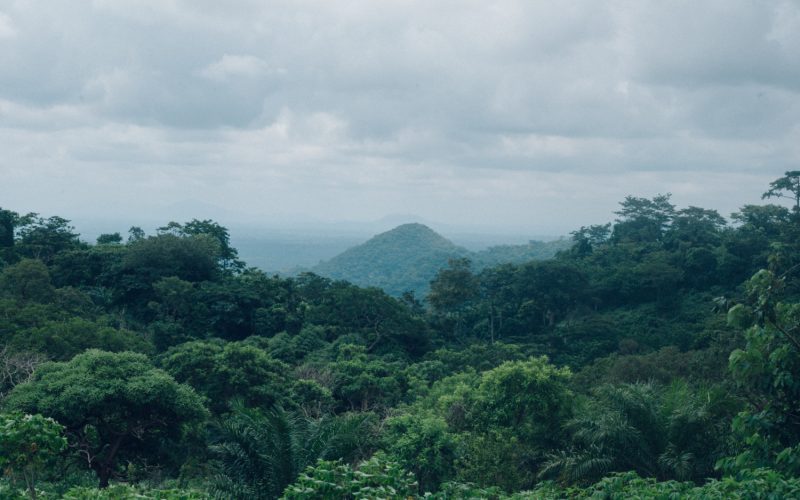
The Brazilian government has successfully auctioned its first-ever public land concession for reforestation, marking a pivotal shift in using carbon credits to finance the recovery of degraded protected areas. The startup Re.green emerged as the sole bidder for a 145,000-acre plot within the Bom Futuro reserve, situated in the heart of the Amazon rainforest.
Under the 40-year agreement, Re.green will replant native tree species on land previously damaged by decades of deforestation. The company has committed to a fee of 0.7% of its revenue from carbon credit sales, which the government expects to generate approximately $2 million annually. Crucially, the project will involve the local Karitiana Indigenous community, ensuring that the restoration efforts support those living within the biome.
Environment Minister Marina Silva, speaking at the São Paulo stock exchange, highlighted the transformative nature of the deal: “We are managing to turn something that is extremely negative for the climate, biodiversity and local populations into something positive.”
The auction serves as a critical test for Brazil’s goal to reforest 30 million acres by 2030. While a second, smaller plot failed to attract bids, officials remained optimistic about the “untested” model. Garo Batmanian, head of Brazil’s forestry service, confirmed that the government intends to offer a further 750,000 acres under similar concessions by 2027, with 3.2 million acres of protected land already identified as in need of urgent restoration.
Scientists have warned that the Amazon is approaching a tipping point where it may no longer be able to sustain itself. This initiative reflects a growing consensus that halting deforestation is no longer sufficient; active, large-scale reforestation is now required to prevent the rainforest’s irreversible transformation into a degraded biome.