








Canon Inc., in collaboration with Teijin Limited, has supported the development of new rules for calculating CO₂ emissions from virgin plastics using primary supplier data under the SuMPO Environmental Label Programme administered by the Sustainable Management Promotion Organization (SuMPO).
Under the initiative, Teijin obtained Japan’s first SuMPO Environmental Product Declaration (EPD) certification for virgin plastic materials calculated using primary operational data. Canon subsequently incorporated Teijin’s actual emissions data, including CO₂ emissions from plastic materials, into the life-cycle CO₂ calculations of its own products and registered its own SuMPO EPD.
The SuMPO EPD framework, aligned with ISO 14025, requires quantitative disclosure of environmental information across a product’s life cycle. Previously, emissions calculations for conventional plastics relied largely on industry-average emission factors, limiting the ability to reflect individual suppliers’ emissions-reduction efforts. Canon and Teijin worked with SuMPO to establish a Product Category Rule (PCR) enabling the use of supplier-specific primary data for virgin plastics.
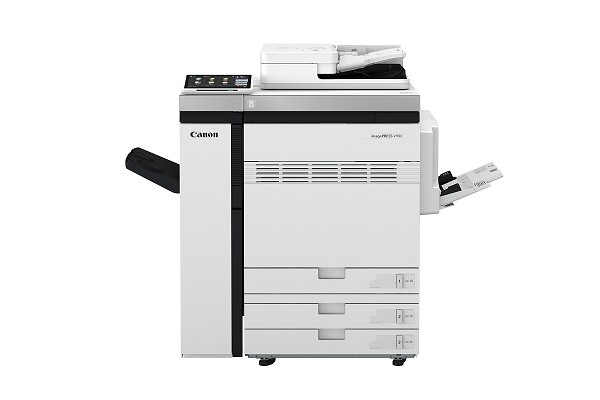
Using this approach, Teijin calculated emissions data for its plastic materials based on operational data and registered the first SuMPO EPD in the category. Canon applied this data to two products, including the imagePRESS V900 commercial production printer, and registered corresponding SuMPO EPDs.
Canon estimates that using primary data could reduce reported CO₂ emissions linked to its procurement of raw materials and components by up to approximately 2.8 percentage points compared with calculations based on industry-average factors.
The company said it plans to expand primary-data-based emissions calculations to additional raw materials, components and products, in collaboration with a wider group of suppliers, as part of efforts to reduce supply chain emissions.