








Charoen Pokphand Foods has integrated innovation and clean energy into food production at its Chanthaburi Egg Complex, positioning the facility as a model for strengthening Thailand’s long-term food security while reducing environmental impact.
The complex combines a Waste-to-Value approach with renewable energy and smart energy management systems to improve efficiency across operations. Chicken manure is converted into biogas to generate electricity for on-site use, reducing reliance on external power sources and improving overall energy performance.
According to Somkid Wannalukkhee, Head of CP Foods’ Layer Business, the initiative reflects the company’s commitment to sustainable growth grounded in social and environmental responsibility.
The facility operates a biogas system that powers farm activities and egg grading, supported by solar panels and an Energy Management System that optimises energy use around the clock. As a result, the Chanthaburi Egg Complex has become Thailand’s first egg farm to run entirely on renewable energy without drawing electricity from the national grid.
CP Foods estimates the project delivers annual cost savings of 18 million baht and cuts greenhouse gas emissions by 1,598 tonnes of CO₂ equivalent each year, contributing to the company’s Net-Zero 2050 target.
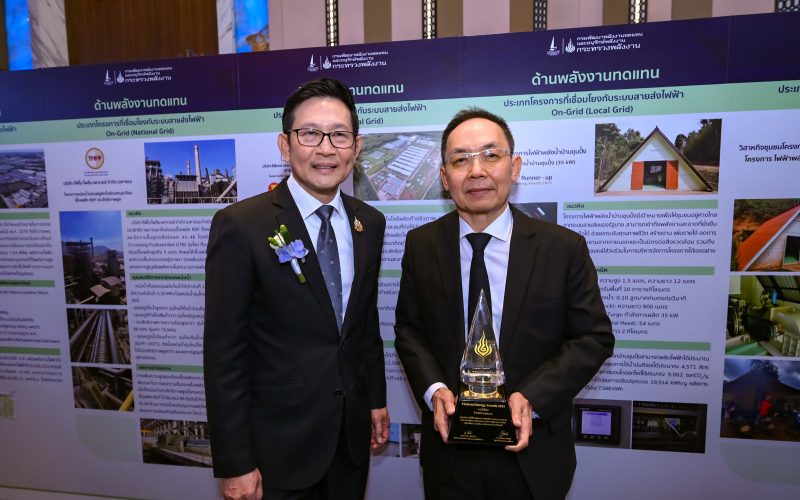
The achievement was recognised with the 2025 Thailand Energy Awards, presented by the Ministry of Energy, with the award handed to Somkid by Energy Minister Auttapol Rerkpiboon. The recognition highlights the role of the private sector in advancing clean energy adoption within the food and agriculture sector.
The Chanthaburi Egg Complex has previously represented Thailand at the ASEAN Best Practices for Renewable Energy Awards, underlining how innovation can transform food production while creating sustainable value for society and the environment.