


The European Bank for Reconstruction and Development (EBRD) has approved its Green Economy Transition (GET) Strategy for 2026–2030, outlining the institution’s roadmap to accelerate green investment and support climate-aligned economic transformation across its regions over the next five years.
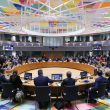
The strategy was adopted during the Bank’s latest Board of Directors meeting and will form part of the EBRD’s Strategic and Capital Framework for 2026–2030. It responds to growing demand from the Bank’s economies of operation and sets out how the institution will support competitive, resilient and market-oriented economies while advancing the green transition and maintaining energy security.
The new framework also raises the Bank’s ambition on green finance. The EBRD plans to scale up cumulative green financing to at least €150 billion by 2030, combining its own investments with mobilised private-sector capital. As part of this commitment, at least 50% of the Bank’s annual business volume will be directed towards green investments.
The strategy emphasises climate mitigation, climate adaptation and nature-related investments, while focusing on maximising impact across six core economic systems: energy, industry, agrifood, transport, urban development and finance.
In addition, the Bank aims to increase the number of projects incorporating climate resilience by 50% and expand efforts to support nature-positive investment opportunities.
EBRD President Odile Renaud-Basso said, “Our countries of operations are increasingly exposed to impacts of climate change. By removing market barriers and accelerating greener approaches in energy, industry, agrifood, transport, cities and finance — the six core economic systems at the heart of our GET strategy — we are responding to our clients’ demands to support their green transition. This enables them to mitigate climate change effects, while strengthening competitiveness and improving the countries’ energy access, affordability and security.”
Within the broader Strategic and Capital Framework 2026–2030, the green transition is identified as one of the Bank’s three core priorities, alongside strengthening economic governance and advancing human capital and equality of opportunity. These priorities will be supported by digital innovation and efforts to mobilise private-sector investment.