





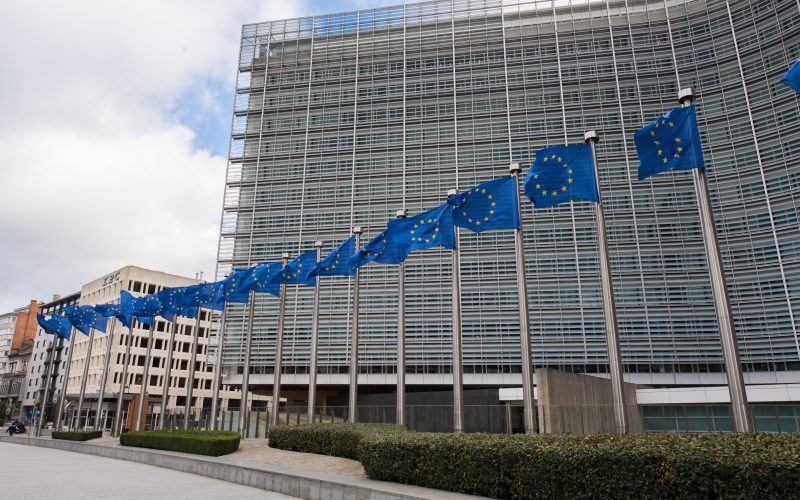
The European Council has approved conclusions titled “Europe’s Environment 2030 – Building a more climate resilient and circular Europe”, calling for accelerated action to meet the EU’s long-term environmental and climate objectives under the 8th Environment Action Programme (EAP).
The conclusions draw on the latest Europe’s environment 2025 report by the European Environment Agency (EEA) and the European Commission’s mid-term review of the 8th EAP. Both assessments acknowledge progress but warn that current efforts are insufficient to meet the programme’s six priority objectives for 2030, particularly in climate adaptation and the transition to a circular economy.
The Council explicitly recognises inadequate progress towards the 8th EAP targets and highlights the continued poor state of nature and biodiversity. It stresses that strengthening climate resilience and advancing circular economy policies are urgent and interconnected priorities, essential to addressing pollution, biodiversity loss and growing pressure on natural resources.
The Council noted with concern that many climate risks identified in the EU Climate Risk Assessment have reached critical levels. The Council said transformational change is needed to safeguard the EU’s security, prosperity and competitiveness, and to ensure Europe is better prepared for climate impacts.
It called for the systematic integration of climate resilience across all policy areas and sectors, described as “climate resilience by design”. The conclusions underline the role of healthy ecosystems and nature-based solutions as cost-effective tools for adaptation. The Council also welcomed the Commission’s plans to develop a legal framework on climate resilience, highlighting the need for shared definitions, objectives and risk-assessment methodologies, while respecting subsidiarity and local circumstances.
Adequate financing was identified as a central requirement, with the Council stressing that the long-term costs of inaction are expected to far exceed the costs of timely and effective measures.
On the circular economy, the Council reaffirmed the need for a comprehensive and effective legislative framework to drive systemic change towards long-term circularity objectives.
It highlighted the importance of a well-functioning single market for secondary raw materials to reduce extraction and boost recycling, and encouraged the Commission to examine pricing and incentive mechanisms to ensure fair competition between circular and linear business models.
The conclusions also emphasised the need to establish non-toxic material cycles, calling for the rapid phase-out of harmful substances and full implementation of the EU’s Chemicals Strategy for Sustainability, including the revision and modernisation of REACH. Ministers further stressed the importance of incentives to improve product durability, repairability and reuse, and urged the timely implementation of the Ecodesign for Sustainable Products Regulation.
The conclusions respond to two recent developments: the Commission’s mid-term review of the 8th EAP, published on 13 March 2024, and the EEA’s Europe’s environment 2025 report, presented on 29 September 2025. Both concluded that additional efforts will be required to meet the EU’s 2030 environmental objectives, which are rooted in the ambitions of the European Green Deal.
Against this backdrop, the Commission has announced two major initiatives in its 2026 work programme — a European integrated framework for climate resilience and a Circular Economy Act. The Council’s conclusions are intended to set political priorities and ambition ahead of these forthcoming legislative proposals.