



The European Parliament has approved changes to the EU Climate Law that commit the bloc to cutting net greenhouse gas emissions by 90% by 2040, compared with 1990 levels, reinforcing its legally binding goal of climate neutrality by 2050.
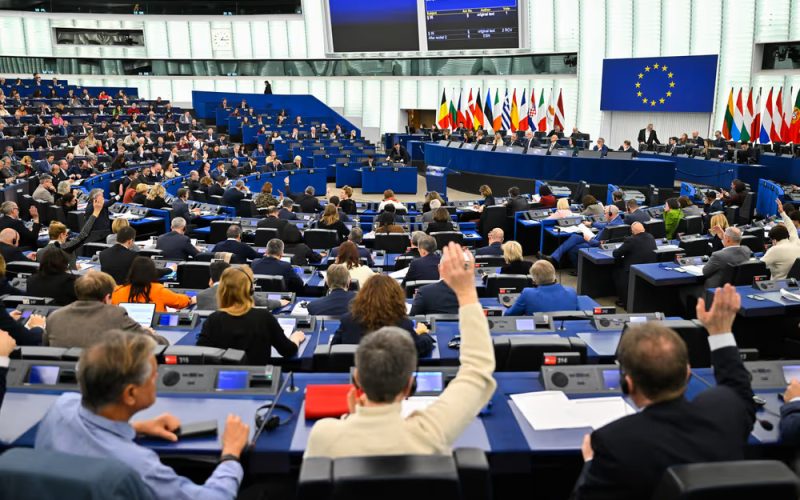
On Tuesday (10 February), MEPs backed a political agreement with the Council by 413 votes to 226, with 12 abstentions, introducing a new intermediate and binding 2040 climate target. The move strengthens the EU’s long-term climate framework, which already includes a mandatory 55% emissions reduction by 2030.
The revised law introduces additional flexibility for member states in meeting the 2040 target. From 2036, up to five percentage points of emissions reductions can be achieved using high-quality international carbon credits—two percentage points more than initially proposed by the European Commission—subject to safeguards to ensure projects align with the EU’s strategic interests.
The agreement also allows domestic permanent carbon removals to offset hard-to-abate emissions under the EU Emissions Trading System (ETS), alongside greater flexibility across sectors and policy instruments to keep costs down and support competitiveness during the green transition.
MEPs also agreed to delay the introduction of ETS2 by one year, pushing its start date from 2027 to 2028. ETS2 will extend carbon pricing to fuel combustion in buildings and road transport.
Under the amended law, the Commission will review progress towards the 2040 target every two years, taking into account updated scientific evidence, technological developments, energy price trends, and the EU’s industrial competitiveness. Based on these assessments, it may propose further changes to the climate law, including adjustments to the 2040 target or additional measures to support economic resilience and social cohesion.
Once formally endorsed by the Council, the revised legislation will enter into force 20 days after publication in the EU’s Official Journal.