








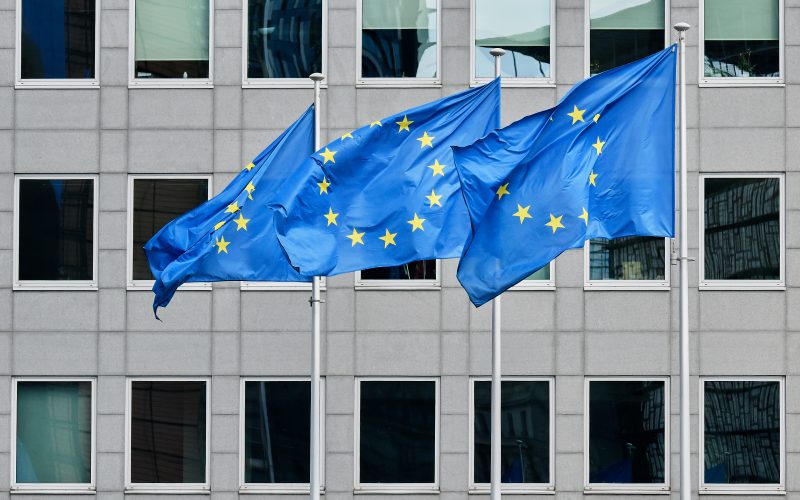
The European Union has reached a landmark provisional agreement to amend the European Climate Law and introduce a binding target to cut net greenhouse gas emissions by 90% by 2040 compared with 1990 levels. The deal, struck late on Tuesday between the Council presidency and European Parliament negotiators, is designed to lock in the bloc’s long-term trajectory towards climate neutrality by 2050.
The agreement is expected to serve as the backbone of the EU’s next climate and industrial policy package, shaping all major legislative proposals beyond 2030. It includes several flexibilities to help countries and industries navigate the transition, while reinforcing mechanisms to monitor progress and intervene if the bloc falls off track. Negotiators also endorsed a one-year delay to the EU’s new emissions trading system for buildings and road transport, known as ETS2, postponing its launch from 2027 to 2028.
Under the terms agreed, the EU will enshrine a 90% cut to net emissions by 2040 and develop a post-2030 climate framework that prioritises competitiveness, social fairness, national circumstances, energy security and affordability. The deal also seeks to integrate innovation, investment and carbon removals more realistically into long-term planning while ensuring natural sinks are preserved and strengthened.
A central feature of the agreement is a carefully bounded role for international carbon credits. From 2036, companies and member states will be allowed to use high-quality international credits to meet up to 5% of the EU’s 1990-level emissions, effectively requiring an 85% domestic emissions cut. A pilot phase running from 2031 to 2035 may be launched to support the development of a high-integrity global carbon market. The Commission has been instructed to design strict rules to ensure the environmental integrity of any credits used, drawing on — and potentially tightening — criteria set out in the Paris Agreement.
The deal also strengthens the climate law’s review mechanism. The European Commission will need to regularly assess progress on competitiveness, energy prices and net carbon removals, and propose revisions or additional measures if the EU is not on course to meet its targets. The next review will also examine whether member states should be allowed to use additional international credits to meet up to 5% of their post-2030 national obligations.
The agreement remains provisional and will require formal approval by both the European Parliament and the Council before entering into force.
The European Climate Law, first adopted in 2021, enshrines the EU’s legally binding goal of climate neutrality by 2050 and its 2030 target of cutting net emissions by at least 55%. The Commission proposed updating the law in July 2025 after publishing analysis of the 2040 target earlier that year. In October 2025, EU leaders called for a balanced approach that recognises economic competitiveness, social fairness and uncertainties around natural carbon sinks. Environment ministers endorsed the Council’s negotiating stance on 5 November, with the Parliament adopting its position on 13 November.