



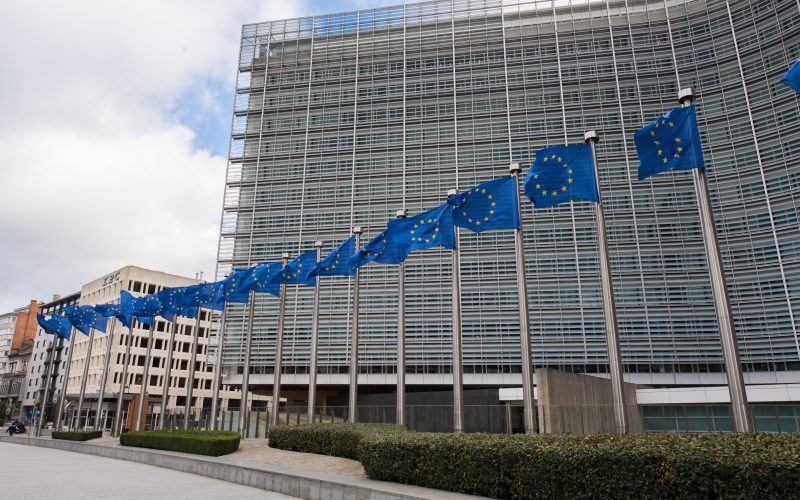
The European Commission has published comprehensive guidelines to facilitate the uniform application of the Packaging and Packaging Waste Regulation (PPWR) across the European Union. The move aims to simplify compliance for Member States and economic actors while strengthening the Single Market through harmonised rules.
The guidance arrives as waste levels reach critical figures; in 2023, the average European generated 178kg of packaging waste. Projections suggest that without regulatory intervention, total packaging waste could rise by 19% and plastic waste by 46% by 2030 compared to 2018 levels. Additionally, the industry has historically faced significant administrative burdens due to diverging national regulations.
The new documentation provides clarity on several technical areas where stakeholders requested assistance, including the legal definitions of manufacturers and producers, and precisely which items fall under the scope of the regulation. Crucially, the guidelines detail restrictions on single-use packaging and the enforcement of PFAS (perfluoroalkyl and polyfluoroalkyl substances) bans in food-contact materials.
Further instructions have been provided regarding the application of re-use targets, the management of extended producer responsibility, and the mandatory establishment of deposit and return systems. An accompanying Frequently Asked Questions (FAQ) document addresses practical concerns raised since the PPWR entered into force on 11 February 2025.
The Commission confirmed that the guidance does not amend the existing law but serves as an interpretive tool. Several delegated and implementing acts are currently in development, focusing on harmonised labelling for waste sorting, recycled content mandates for plastic, and specific recyclability criteria.
The guidance will be translated into all official EU languages prior to formal adoption. The Regulation mandates that all packaging must be recyclable by 2030, a measure intended to significantly reduce greenhouse gas emissions and environmental costs across the sector.