




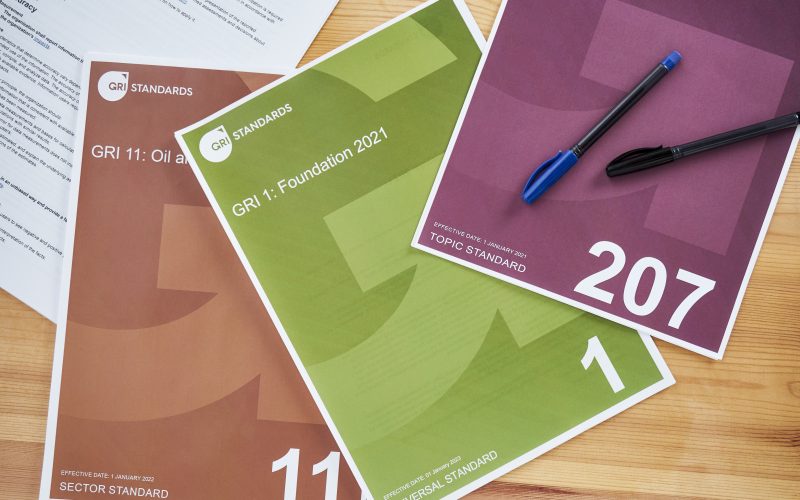
Global Reporting Initiative (GRI) has outlined a series of standards updates, consultations and new tools for the first quarter of the year, aimed at strengthening the quality, usability and consistency of sustainability reporting.
From 1 January, GRI 101: Biodiversity and GRI 14: Mining Sector have formally taken effect and are now required for use by all GRI reporting organisations where relevant. The Biodiversity Standard establishes a global benchmark for disclosing impacts on nature, while the Mining Sector Standard introduces more detailed transparency requirements for one of the world’s most high-impact industries.
GRI has also launched the next phase of its review of economic impact disclosures, opening a global public consultation on revised standards covering corruption, competition and public policy. Feedback will be accepted until 10 April, as part of efforts to improve accountability around fair market practices and lobbying.
In parallel, GRI has invited stakeholders to comment on the draft work programme of the Global Sustainability Standards Board (GSSB) for 2026–2028. Open for public comment until 27 March, the proposed programme prioritises finalising standards on labour, economic impacts and pollution, advancing the next phase of Sector Standards, and launching work on a new digitalisation standard.
GRI also confirmed that its full suite of Sector Standards has been updated to align with the Biodiversity, Climate Change and Energy Topic Standards released in 2024–2025. The aligned Sector Standards are now available for organisations to download and apply in their reporting.
To support more structured and user-focused disclosures, GRI has published a new Content Index Template for organisations using Sector Standards. The free tool reflects the latest standards and provides a comprehensive index of available disclosures to improve clarity and referencing in sustainability reports.
Meanwhile, consultation remains open until 9 March on revisions to labour-related standards, focusing on workers’ rights and protections. The review addresses issues including forced and child labour, freedom of association, collective bargaining, and the rights of workers in business relationships.
Commenting on the updates, Bastian Buck, Chief Standards Officer at GRI, said the organisation’s strategic focus looking ahead to 2026 is to lead the development of a more streamlined and impact-focused reporting system.
“Keeping our standards ahead of the curve and globally relevant is crucial,” Buck said, adding that input from both information users and reporting organisations is essential to ensure the GRI Standards continue to reflect evolving stakeholder needs and decision-making priorities.