




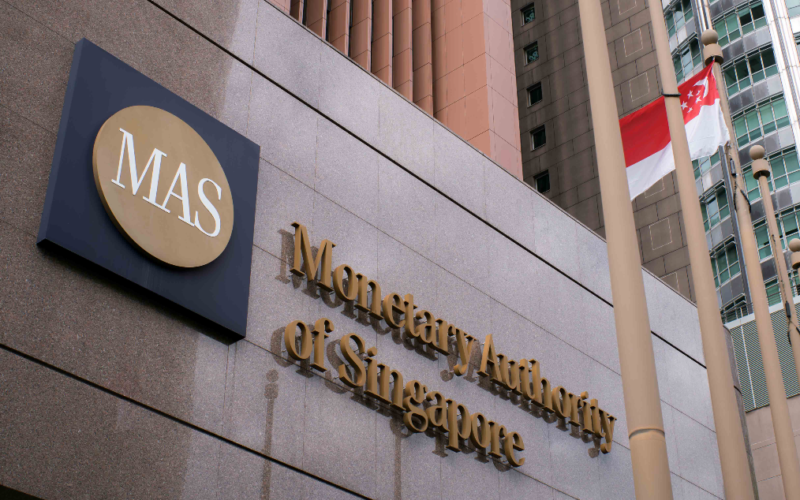
The Monetary Authority of Singapore (MAS) has issued three new Guidelines on Environmental Risk Management – Transition Planning, outlining supervisory expectations for banks, insurers and asset managers on managing climate-related risks. The guidelines serve as an addendum to the environmental risk management framework first introduced in 2020.
The new guidance aims to help financial institutions strengthen their risk assessment and management capabilities to improve resilience against both physical and transition risks linked to climate change. MAS expects financial institutions to establish structured transition planning processes that are proportionate to their risk exposure, business models and local operating conditions.
Under the framework, financial institutions are required to assess and manage climate-related risks in a forward-looking manner by adapting their governance structures, business strategies and risk management practices. The regulator also expects institutions to engage actively with customers and investee companies to better understand their exposure to climate risks and how they are managing them.
MAS emphasised that such engagement should help prevent indiscriminate withdrawal of credit, insurance coverage or investments from sectors facing climate transition pressures, while supporting financial stability. Institutions should also take into account the materiality of risks associated with their clients and investee companies when collecting climate-related data.
In addition, MAS expects financial institutions to continuously strengthen their capabilities in measuring and managing climate risks, as methodologies and data frameworks evolve globally.
Separate guidelines have been developed for banks, insurers and asset managers to reflect differences in their business models. The framework also incorporates feedback received during an earlier public consultation and engagement with industry stakeholders.
The guidelines will come into effect in September 2027, following an 18-month transition period for financial institutions to prepare and implement the required processes.
Ho Hern Shin, Deputy Managing Director for Financial Supervision at the Monetary Authority of Singapore, said the new guidance would help financial institutions strengthen their ability to respond to climate-related risks.
“These Guidelines support financial institutions in building their risk management capabilities in response to both physical and transition risks. The financial sector plays an important role in supporting customers as they navigate the risks from climate change. By engaging their customers and investee companies in a risk-proportionate manner, financial institutions can build better resilience to risks and support broader financial stability,” she said.