


Procter & Gamble (P&G) has outlined a sustainability strategy aimed at delivering environmental impact across three levels: reducing its own footprint, helping consumers lower theirs, and scaling solutions across industries.
The company said scaling solutions through collaboration and innovation across value chains is central to achieving its environmental goals. By sharing technologies and engaging with industry leaders, P&G aims to accelerate progress that benefits both business and the environment.
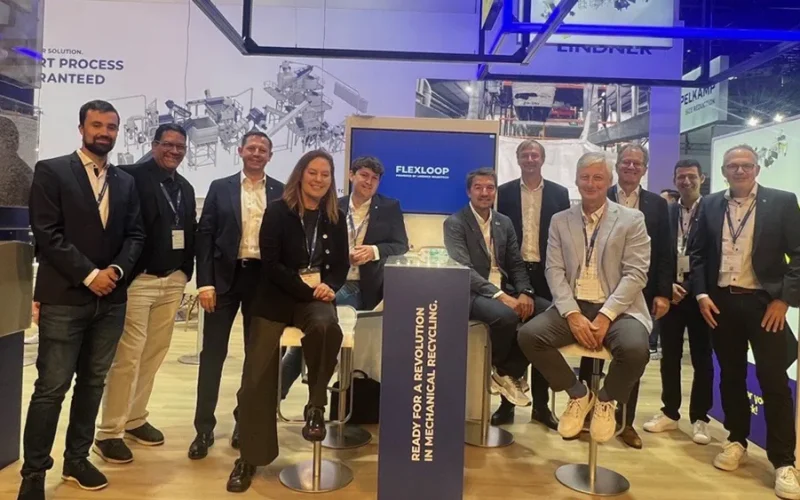
Under its “Sustainability Solutions by P&G” platform, the company is advancing technologies designed to address sustainability challenges across multiple sectors. These include VersoVita, a dissolution recycling technology developed with PureCycle to enhance the quality of recycled polypropylene; FlexLoop, a recycling technology licensed to Lindner Washtech that removes contaminants, odours and inks from plastic waste for reuse in applications such as food packaging and medical supplies; and Versa Fill 2.0, a paper-based packaging alternative to plastic fillers for shipping smaller products.
P&G said partnerships are essential to addressing complex challenges and is working across areas such as supply chain efficiency, material lightweighting, low-carbon feedstocks and bio-based materials.
Beyond technology, the company collaborates with non-profit and public sector organisations. Partnerships with RIMBA Collective, Rainforest Alliance and WWF focus on resilient supply chains and landscape protection. It also works with The Recycling Partnership, Delterra and Circulate Capital to strengthen curbside recycling systems, and with Bonneville Environmental Foundation and Agua Capital on freshwater conservation initiatives.
P&G participates in global sustainability forums including New York Climate Week, World Water Week and Sustainable Brands to promote dialogue and collective action.
The company said it remains committed to advancing sustainable change through innovation and collaboration.