







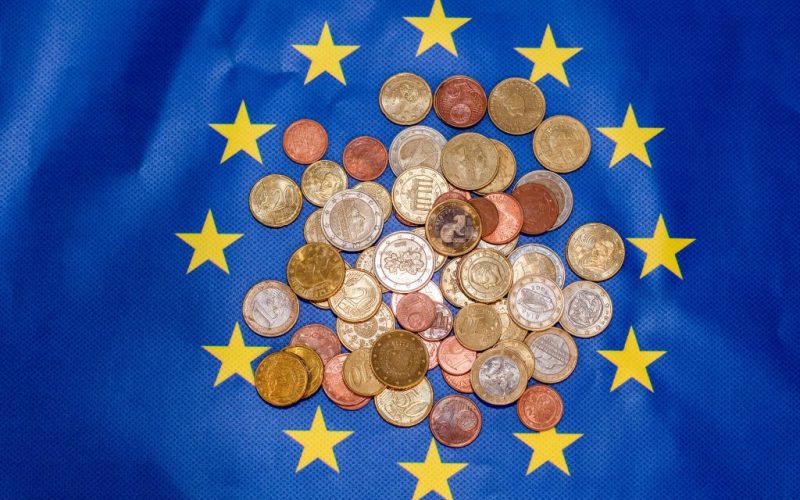
The EU has disbursed less than 5% of the €7.1 billion ($8.25 billion) allocated to its flagship Innovation Fund since 2021, as companies struggle with heavy bureaucracy, lengthy applications and high administrative costs.
According to European Commission figures, only 4.7% of awarded funding has actually been paid out. Businesses report spending up to 3,000 hours and around €85,000 ($98,780) per application—far higher than the cost of accessing other EU schemes. The Commission has acknowledged that most applicants rely on consultants due to the complexity of the process.
Fewer than one in five applications succeed. Of the projects that secured grants, only 6% are operational and up to a fifth have been delayed. Industry groups warn that the administrative burden is deterring innovation and slowing climate deployment.
The problems mirror broader concerns over the EU’s competitiveness. In a major report last year, former European Central Bank president Mario Draghi warned that excessive bureaucracy was contributing to Europe’s “static industrial structure with few new companies rising up to disrupt existing industries or develop new growth engines”. The Innovation Fund’s bottlenecks are now seen as a clear example of the issue he flagged.
The fund, financed by revenues from the EU emissions trading system, is intended to support large-scale deployment of breakthrough low-carbon technologies and has been positioned as a key tool for Europe to compete with the United States following major US green subsidies.
But industry voices say the system is struggling to function as intended. Cleantech for Europe reports companies devoting months of staff time to applications with limited certainty of success. Cement producer Ecocem said its most recent bid required a dedicated team for five months, costing “hundreds of thousands of euros”—a scale many smaller innovators cannot bear.
Some companies have given up on Europe despite receiving grants. Battery-materials producer Vianode, awarded €90 million in 2023, abandoned its planned EU facility due to an influx of cheap Chinese graphite and instead moved forward with a project in Canada, where it secured an agreement with General Motors.
Commission officials say the low payout rate reflects the long timelines typical of first-of-a-kind industrial projects and argue that rigorous applications improve project quality. However, industry experts counter that the current structure is “not fit for purpose” and risks slowing climate deployment.
Although an estimated €40 billion could flow into the fund by 2030, only a small fraction has reached projects so far—leaving what analysts describe as a growing opportunity cost for Europe’s green transition.

