







The Trump administration has revoked the long-standing “endangerment finding” that underpins the US government’s authority to regulate greenhouse gas emissions, marking a major shift in federal climate policy.
The determination, first issued in 2009, concluded that greenhouse gases endanger public health and welfare. It has since enabled the Environmental Protection Agency (EPA) to regulate emissions from vehicles and other sources under the Clean Air Act.
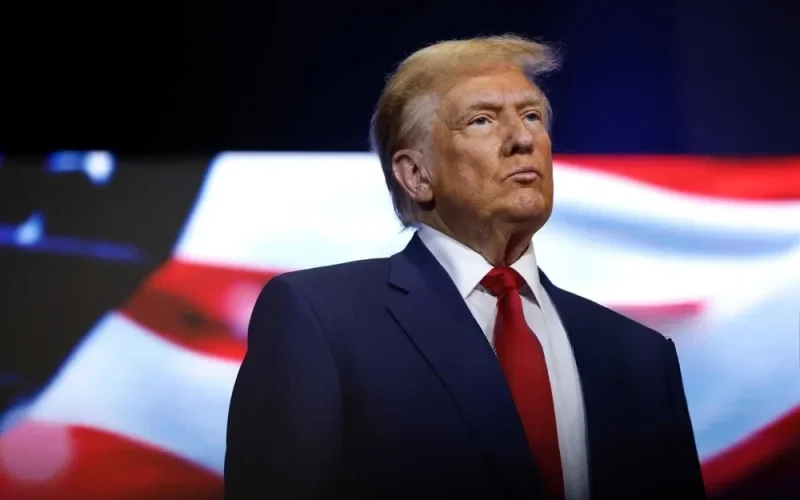
President Donald Trump described the repeal as “the single largest deregulatory action in American history”, saying it would save consumers “trillions of dollars”. The EPA estimates the move will save the US $1.3tn.
The final rule removes the federal government’s authority to require tracking, reporting and limits on climate pollution from cars and trucks — the largest source of US greenhouse gas emissions. While the repeal does not directly apply to power plants and other stationary sources, critics say it could pave the way for further rollbacks. The EPA has separately proposed that power plant emissions do not significantly contribute to dangerous air pollution and should not be regulated.
Environmental groups and several states, including Gavin Newsom of California, have condemned the move and pledged legal challenges. Former President Barack Obama said the repeal would leave Americans “less safe, less healthy and less able to fight climate change”, while former Secretary of State John Kerry called it “un-American”.
An analysis by the Environmental Defense Fund found that fully repealing the finding, alongside proposed vehicle standard rollbacks, could add up to 18bn tonnes of additional emissions by 2055 and impose up to $4.7tn in climate and health-related costs.
EPA Administrator Lee Zeldin defended the decision, arguing that previous administrations had used the finding to impose costly climate policies on businesses and consumers.
The repeal follows a broader rollback of environmental regulations under the Trump administration, including moves to withdraw from international climate agreements and reduce federal climate-related oversight.