


Varaha has launched the Varaha Industrial Partners Program (VIPP), a global initiative enabling biomass processing facilities with access to sustainable feedstocks to generate carbon removal credits using its digital measurement, reporting and verification (MRV) and commercialisation platforms.
As part of the first VIPP partnership, Varaha will work with Revata Carbon and Valency International to develop an industrial biochar carbon removal project in Côte d’Ivoire, West Africa.
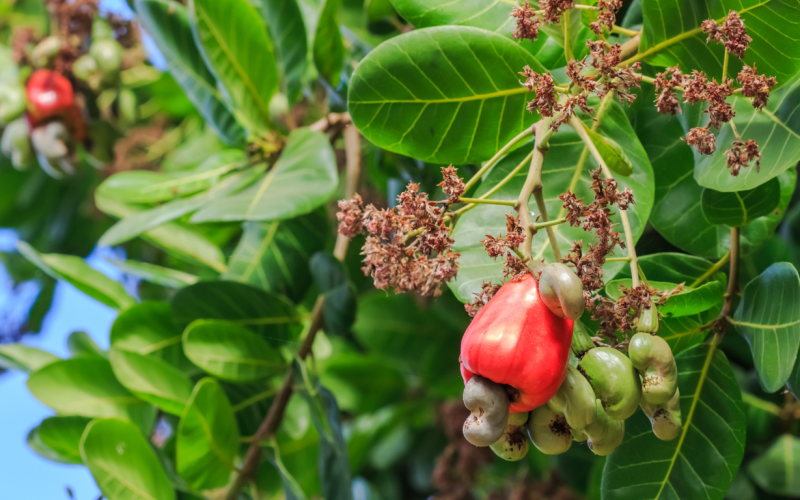
Côte d’Ivoire is a key hub in the global cashew industry. As production expands, by-products such as cashew shells have posed environmental and waste management challenges, with limited end uses and frequent open burning. The project aims to convert cashew shells into biochar through controlled gasification. The biochar will be used as a soil amendment, supporting carbon storage and soil fertility.
Under the programme, Varaha will oversee MRV and manage the commercialisation of carbon credits, including sales to corporate and institutional buyers. Credits will be issued in partnership with Puro.earth under its biochar methodology. Revata Carbon will lead local project development and operations, while Valency International, a British International Investment (BII)-backed agribusiness and cashew processor, will supply feedstock and provide supply chain support.
Madhur Jain, Chief Executive Officer of Varaha, said: “We’re excited to welcome Valency International and Revata Carbon as VIPP launch partners. Valency and Revata’s on-the-ground development leadership, combined with industrial delivery and Varaha’s rigorous MRV and commercialization, creates a strong foundation to scale durable carbon removal in West Africa and beyond.”
Vaibav Jain, Founder and Chief Executive Officer of Revata Carbon, said: “It is an important opportunity for us to showcase Africa’s capabilities in being a responsible geography for biochar projects.”
Sumit Jain, Group Chief Executive Officer of Valency International, said: “Together, this collaboration demonstrates how industrial agribusiness platforms can move from ambition to execution in delivering durable carbon removal.”