

Verra has approved the first carbon credits issued under a pilot initiative using digital monitoring, reporting and verification (DMRV) to enable high-frequency issuances, such as monthly or bi-monthly crediting.
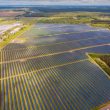
The first credits under the pilot were generated by the Foumbouni–Mitsamiouli solar farm project (Verra Project 3788) on the island of Grande Comore in the Comoros. Developed and operated by Aera Group, the project applies the Clean Development Mechanism (CDM) methodology AMS I.-D: Grid Connected Renewable Electricity Generation and supplies clean electricity to communities with limited access to reliable power. SustainCERT acted as the validation and verification body (VVB), conducting a fully digital verification of the monitoring data submitted by Aera Group.
The pilot forms part of Verra’s broader effort to digitise the project cycle, with the aim of improving efficiency, speed, reliability and transparency. Through the Verra Project Hub, an online platform for creating and managing projects under its standards programmes, monitoring data can be submitted digitally and used directly to quantify net emissions reductions and removals, alongside associated verification reports. The process relies on digital monitoring and verification systems, as well as the direct transfer of project data, such as electricity generation figures, into the platform.
Following completion of the pilot, Verra intends to expand the approach to additional projects. The organisation said the model could streamline issuance processes, enhance data quality and transparency, and reduce administrative burdens for project proponents, verification bodies and credit buyers.
Under the pilot framework, once a DMRV-based verification approval request for a high-frequency issuance is approved, project proponents may request 80% of the approved credits. Verra will retain the remaining 20% as a safeguard during the pilot phase. After one year of high-frequency DMRV issuances, proponents must undergo a full verification covering additional parameters, including safeguards and stakeholder engagement. If a subsequent non-DMRV verification approval request is approved, the remaining credits may be issued.
Verra is also piloting the DMRV-based high-frequency issuance process for other project types, including carbon capture and storage (CCS) activities and clean cookstove initiatives.