







AirTrunk has opened a new Japan headquarters in Tokyo, expanding its corporate presence as it scales hyperscale data centre operations in the country, with a stated focus on sustainable digital infrastructure.
The new office, located in the Roppongi Hills Mori Tower, is significantly larger than the company’s previous Tokyo premises and is intended to support workforce growth as demand rises for cloud and artificial intelligence-related data centre capacity. AirTrunk entered the Japanese market in 2020 and has since expanded its local operations alongside the development of multiple data centre campuses.
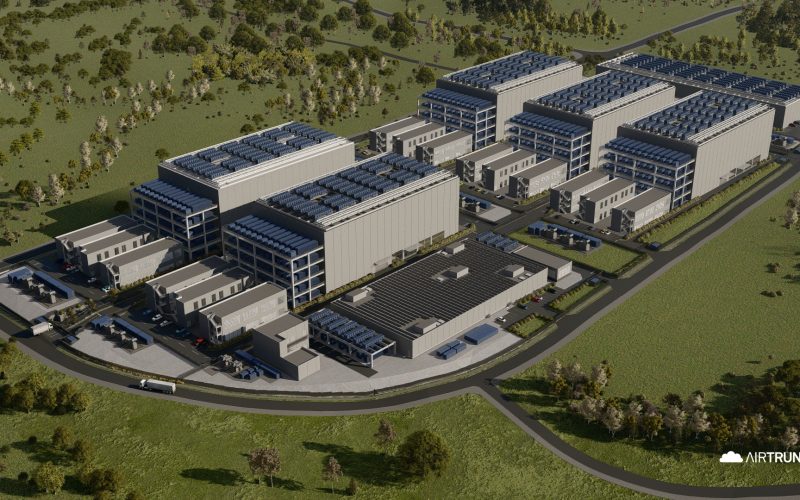
The company has invested approximately US$1.57 billion across its TOK1, TOK2 and OSK1 campuses, with plans to increase total investment in Japan to around US$8 billion in the coming years as these facilities are completed and expanded.
AirTrunk said its Japan operations are aligned with national decarbonisation objectives and the government’s 2050 carbon neutrality target. Its sustainability measures in the country include securing Japan’s first green loan for a data centre project, which financed the TOK2 campus, and setting a goal of achieving 24/7 carbon-free operations across its facilities.
The company has also highlighted community and environmental initiatives linked to its expansion, including support for STEM education, AI training programmes in schools, and biodiversity and river restoration projects in areas surrounding its data centre developments.
Japan has positioned itself as a regional hub for artificial intelligence and advanced digital services, while emphasising resilience and sustainability in infrastructure development. AirTrunk said its ongoing investments are intended to support these priorities by providing energy-efficient data centre capacity designed to meet growing digital demand while reducing environmental impact.
Representatives from Japan’s Ministry of Economy, Trade and Industry attended the opening, noting the role of private-sector investment in building sustainable digital infrastructure to support the country’s technology and AI ambitions.