





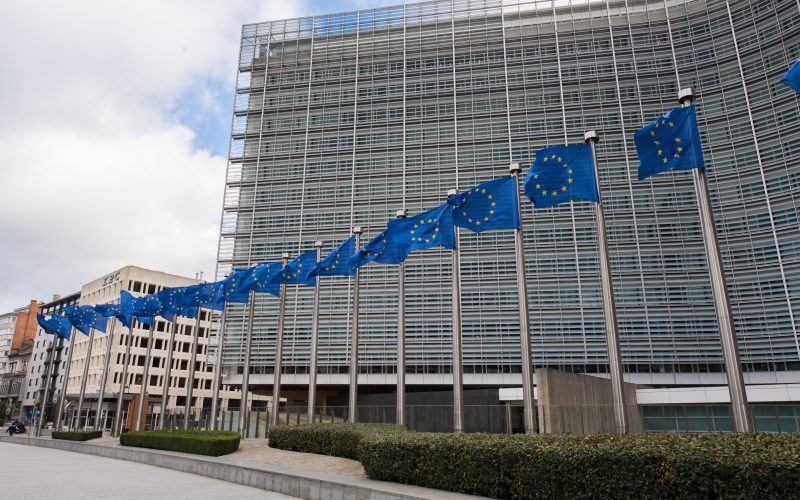
The European Commission has unveiled a package of legislative measures aimed at simplifying environmental rules in areas including industrial emissions, the circular economy, environmental assessments and geospatial data. The proposals are intended to reduce administrative burdens for businesses while maintaining the EU’s environmental and public-health objectives, and to speed up permitting for projects central to the bloc’s clean and digital transition.
According to the Commission, the measures could save companies around €1 billion per year, bringing total annual administrative savings from recent simplification initiatives to nearly €11 billion. The package forms part of the EU’s wider Competitiveness Compass agenda to cut red tape and strengthen economic resilience, with a broader goal of achieving €37.5 billion in annual cost reductions by 2029.
The package comprises six legislative proposals, developed following a call for evidence launched in July 2025 that drew more than 190,000 responses. The Commission said it will continue reviewing existing legislation for further simplification opportunities.
Key measures in the package
Streamlined environmental assessments and permitting
Project developers would benefit from simpler and faster procedures, including single points of contact, digitised processes and accelerated timelines. A dedicated “toolbox” would offer further streamlining for strategic sectors such as digital infrastructure, critical raw materials and affordable housing.
Simplified industrial emissions rules
Under changes to the Industrial Emissions Directive, companies would gain greater flexibility in implementing environmental management systems, including the removal of transformation plan requirements and longer preparation periods. Independent EMS audits would no longer be required. Farmers and aquaculture operators would be exempted from certain reporting duties, and overlapping obligations for organic farms would be reduced.
Replacement of the SCIP database
The current database on hazardous substances in products would be repealed due to high compliance costs, with its functions shifting to digital tools such as the Digital Product Passport and the One Substance One Assessment initiative.
Simplified Extended Producer Responsibility (EPR)
EU-based companies would no longer be required to appoint an authorised representative in each Member State for multiple EPR schemes. The obligation will be suspended while the Circular Economy Act is developed to harmonise and streamline EPR rules.
Easier access to geospatial data
Technical rules under the INSPIRE Directive would be aligned with newer EU rules on high-value public-sector data, reducing compliance costs for authorities and improving access for users.
Further simplification planned
The Commission said work will continue on stress-testing legislation and improving implementation. Upcoming efforts include guidance to support the transition to new packaging rules, reviews of the Water Framework Directive and Marine Strategy Framework Directive, and the 2026 Circular Economy Act, which aims to produce simpler, harmonised rules for cross-border circular operations.
Next steps
The proposals will now be submitted to the European Parliament and the Council for negotiation and adoption.
The initiative is the eighth in a series of “omnibus” simplification packages. A 2024 Eurobarometer survey highlighted that SMEs’ plans to adopt greener practices were being hindered by complex administrative procedures and reporting rules—issues the Commission says this package seeks to address.