








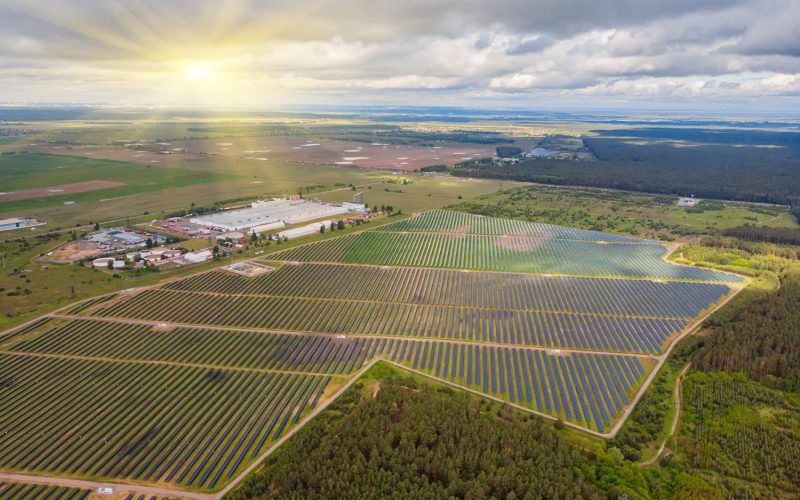
MN8 Energy LLC, a New York-based renewable energy and battery storage developer, has signed a long-term power purchase agreement (PPA) with Meta for the 80-megawatt Walker Solar Project in Juniata County, Pennsylvania.
Under the agreement — the first between the two companies — Meta will purchase 100% of the electricity generated by the project. The offtake will support Meta’s goal of adding incremental clean generation to the grid and matching its operations with 100% renewable energy.
The Walker Solar Project, currently under development, is expected to commence operations by the end of 2026. Once operational, it will supply clean, domestically generated electricity to the PJM Interconnection, while contributing to the expansion of central Pennsylvania’s energy infrastructure.
In addition to supporting corporate decarbonisation efforts, the project is expected to deliver economic benefits to the local community, including construction and operational employment opportunities, as well as increased tax revenues for Juniata County.
The agreement highlights MN8 Energy’s strategy to deliver utility-scale energy infrastructure that supports growing electricity demand and enhances grid capacity, reliability and resilience across the United States.
Moe Hanifi, Senior Vice President at MN8 Energy, said rising demand from data centres and artificial intelligence is reshaping the energy landscape. “As demand for data centres and artificial intelligence accelerates, access to reliable, domestic energy has never been more critical. We are proud to partner with Meta on a long-term basis and to build the domestic energy infrastructure needed to power the next generation of digital innovation,” he said.
Urvi Parekh, Director of Global Energy at Meta, said the partnership will help advance the company’s clean energy ambitions. “We are delighted to partner with MN8 Energy to bring new renewable energy to Pennsylvania and support our operations with 100% clean energy,” she said.
Projects such as Walker Solar are seen as increasingly important in strengthening domestic energy infrastructure as digital growth and electricity demand continue to rise.