





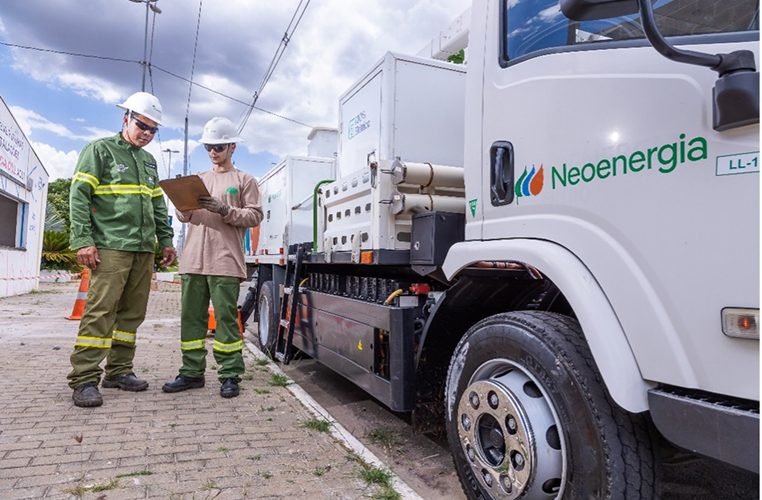
Brazilian energy company Neoenergia, a subsidiary of Spain’s Iberdrola Group, has secured an R$857 million ($170 million) green financing agreement with the European Investment Bank (EIB), acting through EIB Global, to expand and modernise its Neoenergia Elektro distribution network.
The loan, guaranteed by Spanish export credit agency Cesce, represents the second major financing deal between Neoenergia and the EIB in less than a year, following an R$1.7 billion agreement signed during COP30 in November 2025 for grid upgrades in Bahia.
The new capital will fund infrastructure overhauls across 223 municipalities in São Paulo state and five in Mato Grosso do Sul, serving more than 3 million customers. Project scope includes upgrading distribution lines, substations, control systems, and grid automation to reduce technical energy losses and enhance resilience against severe weather events.
Key operational, strategic, and financial dimensions of the agreement include:
- Grid capacity and integration: Enhances network capacity and reliability while facilitating grid connections for new low-income households and decentralized renewable energy projects.
- EU global gateway alignment: Formally integrated into the European Union’s Global Gateway Investment Agenda for Latin America and the Caribbean, supporting joint climate objectives and regional infrastructure development.
- National policy support: Contributes directly to Brazil’s Ten-Year Energy Expansion Plan by upgrading grid flexibility, efficiency, and infrastructure standards.
- Social and financial impact: Delivers long-term debt positioning to lower refinancing risk and supports gender diversity targets by expanding technical training and leadership roles for women in the power sector.
Eduardo Capelastegui, Chief Executive Officer of Neoenergia, stated that accelerating digital and physical grid modernisations is critical to meeting growing electrification needs while maintaining service reliability.
EIB Vice-President Ioannis Tsakiris added that funding modern distribution infrastructure helps turn climate-risk data into actionable energy security for local businesses and supports Brazil’s long-term decarbonisation targets.
Pablo de Ramón-Laca, Chief Executive Officer of Cesce, highlighted the role of export credit guarantees in channeling long-term institutional capital into sustainable emerging-market infrastructure.
Francisco André, European Union Ambassador to Brazil, noted that the initiative demonstrates the EU’s commitment to delivering concrete clean energy investments across Latin America through strategic public-private partnerships.