



Philips is significantly expanding its sustainability footprint in the consumer health market, responding to a sector-wide 8% value growth in eco-positioned products. The company has integrated EcoDesign principles across its portfolio, shifting toward bio-based materials and circular business models to meet rising consumer demand for environmentally responsible health and personal care solutions.
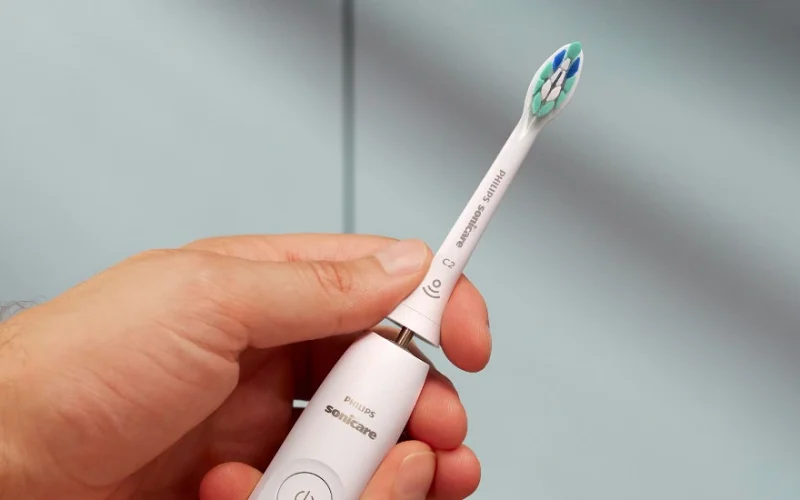
Key developments include the transition of all Philips Sonicare brush heads to 70% bio-based plastic and the introduction of Philips Avent Ultra Pacifiers made from 80% plant-based materials. These innovations are engineered from renewable sources such as vegetable oil, ensuring they do not compete with the food chain while drastically reducing CO2 emissions. To maintain high safety standards, particularly for infant care, Philips conducts rigorous life cycle analyses and supply chain certifications, ensuring every sustainable material remains safe and durable.
Beyond material innovation, Philips is championing circularity through its Refurb Editions programme. In 2024, the initiative successfully rehomed over 30,000 products, including shavers and oral care devices, preventing approximately nine kilotonnes of waste in the EU alone. This effort is complemented by a “Fixables” pilot in Czechia, which provides free 3D-printable files for replacement parts. By giving consumers the tools to repair rather than replace, Philips is strengthening a circular model that prioritises longevity and waste reduction.
The commitment extends to the final point of sale, with Philips phasing out virgin plastics in favour of paper-based and recyclable packaging for its OneBlade and i9000 shavers. Having achieved carbon neutrality in its operations in 2020, the company continues to align its global value chain with the Science Based Targets initiative, proving that meaningful innovation can drive both commercial success and a healthier planet.