






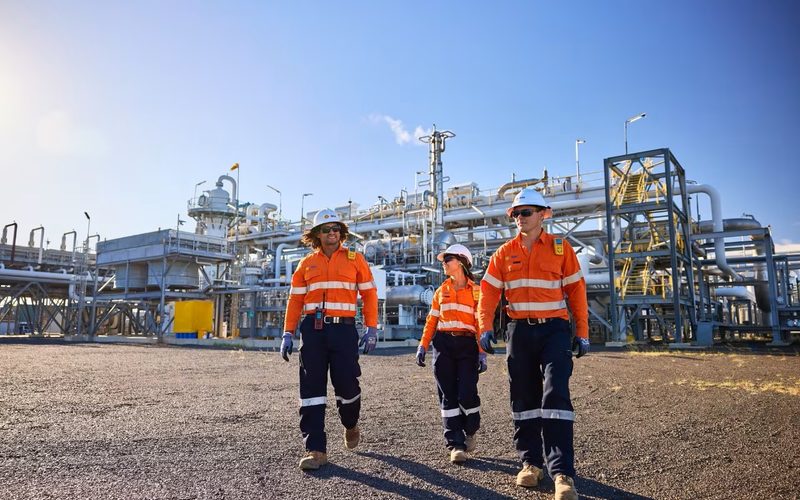
Energy major Shell has reported a 50 per cent reduction in operational methane emissions from 2016 through the end of 2025 across its Shell QGC natural gas operations in the Western Downs region of Queensland, Australia.
The reduction forms part of Shell’s broader global decarbonisation initiative, under which the group achieved a 78 per cent overall reduction in methane emissions across its operationally controlled assets between 2016 and 2025.
The Western Downs asset produces natural gas supplying Australia’s domestic east coast power market and international liquefied natural gas (LNG) export markets across Asia. Methane—the primary component of natural gas—traps significantly more heat than carbon dioxide, holding an estimated warming potential roughly 30 times greater than CO₂ over a 100-year period and more than 80 times greater over a 20-year horizon.
To achieve emission reductions across its distributed footprint, Shell deployed a multi-layered monitoring infrastructure combining satellite coverage, fixed-wing aircraft surveys, autonomous drone inspections, and handheld detection instruments.
Key technical, operational, and asset metrics of the monitoring program include:
- Asset scale covered: Autonomous drone fleets and monitoring systems survey roughly 3,500 production gas wells, 25 gas compression facilities, and six central processing plants across the QGC acreage.
- Autonomous drone integration: Drones equipped with high-sensitivity optical sensors fly systematic grid patterns downwind of infrastructure, combining real-time gas concentration metrics with localized wind vector data to pinpoint leak sources across valves, flanges, storage tanks, and compressors.
- Corporate target performance: Contributed to a 78 per cent global reduction in Shell’s operational methane emissions from 2016 to year-end 2025.
- Leak detection and repair (LDAR): Integrates aerial data with ground-based technical teams to execute targeted leak detection, repair, and predictive wellhead maintenance.
Jeremy Taylor, Brisbane-based Acoustics and Methane Advisor at Shell, stated that integrating real-time methane concentration data with wind telemetry enables operational teams to trace emission sources back to specific equipment components and execute immediate repairs.
Taylor added that combining wide-area aerial scanning with high-resolution drone grid patterns ensures precise leak identification, preserving natural gas volumes for commercial use while mitigating short-term atmospheric warming.