




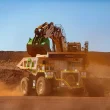

Stegra has signed an agreement with Thyssenkrupp Materials Processing to supply non-prime steel from its hydrogen-based steel plant under construction in northern Sweden. The facility is expected to begin operations in 2027, following delays to the original timeline.
The agreement marks Stegra’s first customer for non-prime steel, a by-product that does not meet the highest quality specifications for certain applications but remains suitable for a range of industrial uses. Under the deal, Thyssenkrupp Materials Processing, part of Thyssenkrupp, will purchase significant volumes of non-prime steel from 2027 to supply customers across Europe.
“A partner for non-prime steel is important for the ramp-up of our steel mill and we see this as the start of a long-term partnership,” said Stephan Flapper, Stegra’s chief commercial officer.
Stegra, formerly known as H2 Green Steel, said in October that it was seeking an additional $1.1 billion in financing to complete construction of the plant. A company spokesperson said financing discussions were ongoing and are expected to conclude in the first quarter.
The project is among several initiatives supporting Sweden’s ambition to lead Europe’s green industrial transition, underpinned by access to low-cost, carbon-free electricity. However, progress across the sector has been uneven, with several green industrial projects facing delays and financing challenges, including the collapse of battery maker Northvolt.
Some of Stegra’s customers, including Microsoft and Mercedes-Benz, are also investors in the company. Thyssenkrupp Materials Services said its cooperation with Stegra is limited to purchasing non-prime steel and that it has no plans to make a financial investment in the Swedish company.
Across Europe, green steel projects have encountered delays as hydrogen-based steelmaking remains a relatively new technology with high upfront capital requirements.
“This is a groundbreaking partnership in the steel industry,” a Stegra spokesperson said. “Germany—which does not have access to green, cheap electricity in the same way as northern Scandinavia—can pursue complementary routes in its industrial transformation, and this agreement is an example of that.”