




BMW has launched a new initiative targeting “sensory health” within its vehicle cabins, using the new BMW i3 to debut a holistic sustainability strategy that prioritises passenger well-being. By focusing on interior air quality, material selection, and olfactory perception, the automaker is treating the vehicle cabin as a critical health environment. This 360-degree approach integrates toxicology and sensory research into the production cycle, moving beyond traditional emissions standards to include the psychological and physical impact of the car’s interior atmosphere.
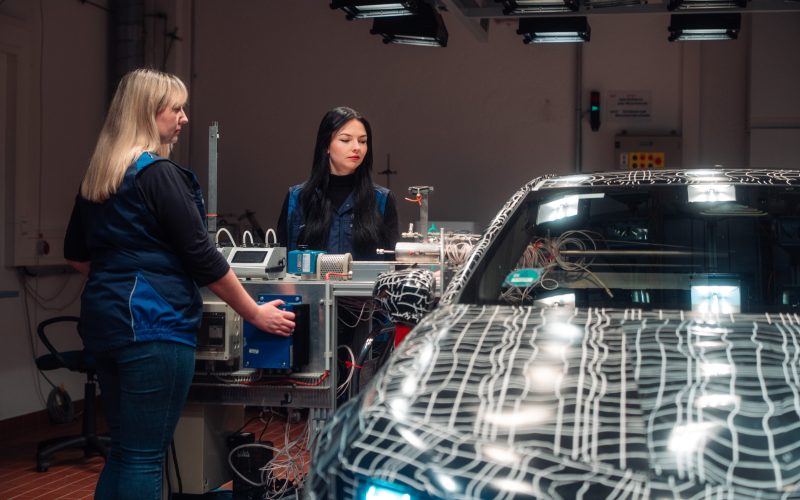
At the centre of this development is BMW’s dedicated odour laboratory, where experts and modern measurement technologies evaluate how materials interact under various temperatures and humidity levels. The company has utilised specialised testing methods for over 25 years to ensure that interior scents remain “authentic and discreet” without the use of artificial fragrances. Because scents act directly on the limbic system to evoke emotions and memories, BMW identifies these olfactory profiles as a key component of a passenger’s subjective feeling of safety and a core element of their premium brand identity.
The BMW i3 serves as the primary model for these innovations, incorporating a high percentage of secondary materials and new interior concepts designed to minimise health-detrimental emissions. This shift reflects a broader industry trend where environmental factors and growing health awareness are changing consumer expectations for automotive living spaces.
Nils Hesse, Vice President Product Sustainability at the BMW Group said, “Health and well-being are an integral part of product sustainability for us. Our customers expect products that are designed to take their health and well-being into account.”