




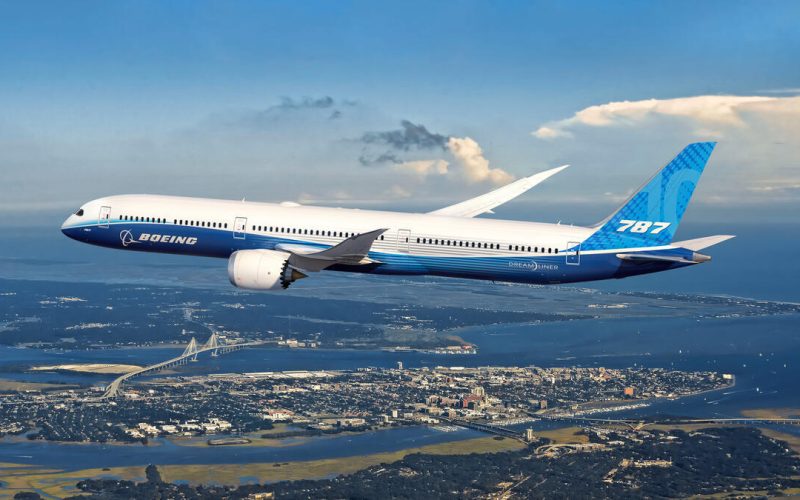
Boeing has announced the procurement of 20,000 tonnes of permanent carbon dioxide removal (CDR) through a strategic partnership with Supercritical, a move aimed at addressing residual emissions and scaling high-quality carbon markets within the aerospace sector.
The aerospace giant worked with Supercritical to build a diversified CDR portfolio after an exhaustive review of more than 200 global projects. Each initiative was assessed against a rigorous 118-point scientific vetting framework, ensuring strict adherence to standards for additionality, permanence, measurability, and operational readiness.
The final portfolio consists of six suppliers across Brazil, Bolivia, Namibia, and India. The technologies employed include biochar—a carbon-rich material produced from organic waste—and enhanced rock weathering, a process that accelerates the natural ability of minerals to absorb atmospheric CO₂.
“We’re committed to supporting the responsible growth of our industry, and high-integrity carbon removal is key to cutting net emissions as global air travel demand continues to rise,” said Allison Melia, Vice President of Global Enterprise Sustainability at Boeing.
Unlike traditional brokerage models that select from available project shortlists, the Boeing-Supercritical partnership utilised a “criteria-first” strategy. This approach involves setting a high scientific bar and then identifying or co-designing projects that meet those specific standards.
“The companies that are ahead of the curve are starting from criteria,” said Michelle You, CEO of Supercritical. “We screened more than 200 projects against our vetting framework, and the portfolio we built is what passed. That’s the difference between a broker selling projects and a two-sided marketplace building market infrastructure.”
Supercritical noted that the market for premium carbon removal is increasingly tight; currently, 89% of premium biochar available for delivery this year is already committed to other buyers.
The 20,000-tonne procurement includes several high-impact regional projects:
- Ground Up & Varaha (India): Working with smallholder farmers to convert crop residues into biochar, preventing agricultural burning.
- Exomad Green (Bolivia): Currently the highest-volume carbon removal project globally by delivered tonnes.
- NetZero & InPlanet (Brazil): Focusing on circular biochar models and spreading crushed basalt on farmland to accelerate natural CO₂ capture.
- PlanBoo (Namibia): Restoring degraded savannah by producing biochar from invasive bush species.
Boeing intends to apply these high-quality credits to address its residual Scope 3 emissions, specifically those associated with employee business travel (Category 6). By investing in diverse, science-vetted technologies, Boeing aims to support the broader aviation industry’s long-term goal of achieving net-zero emissions.