








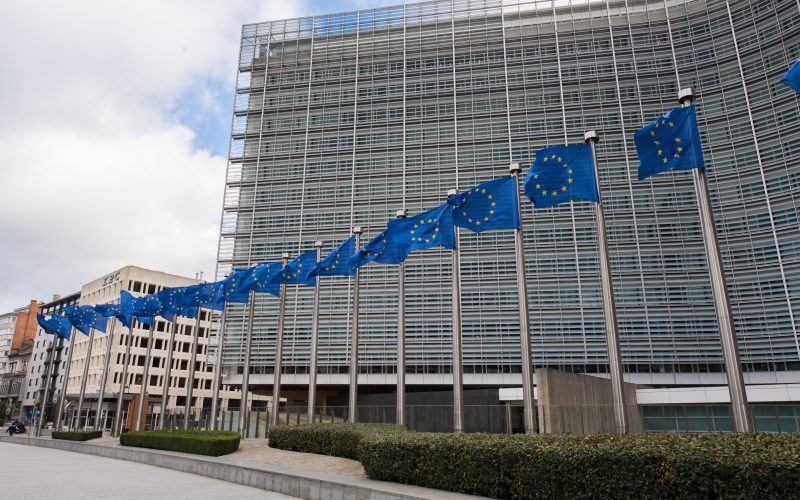
The European Commission has approved a €1.3 billion ($1.5bn) German State aid scheme to accelerate the production of renewable hydrogen, utilising the European Hydrogen Bank’s “Auctions-as-a-Service” tool.
The initiative supports the construction of up to 1,000 MW of installed electrolyser capacity and the production of up to 10 million tonnes of renewable hydrogen. The scheme is estimated to mitigate up to 55 million tonnes of carbon dioxide emissions, aligning with the EU’s Clean Industrial Deal, the REPowerEU Plan, and the EU Hydrogen Strategy.
The funding will be distributed through a competitive bidding process supervised by the European Climate, Infrastructure, and Environment Executive Agency (CINEA). Approved projects must feed renewable hydrogen into the Danish Hydrogen Backbone 1 pipeline and deliver it to off-takers connected to the German Hydrogen Core Network. This structure supports both cross-border infrastructure and the connection of North Sea renewable energy sources to industrial buyers.
Financing will take the form of direct grants per kilogram of renewable hydrogen produced, spanning a maximum duration of ten years. To qualify, beneficiaries must comply with EU criteria for renewable fuels of non-biological origin (RFNBOs), demonstrating at least a 70% reduction in greenhouse gas emissions across the value chain.
The European Commission assessed the scheme under Article 107(3)(c) of the Treaty on the Functioning of the European Union and the 2022 Guidelines on State aid for climate, environmental protection, and energy. The assessment concluded that the scheme is necessary, carries a clear incentive effect, and maintains sufficient safeguards to minimise distortions to competition and trade within the single market.
The European Hydrogen Bank’s “Auctions-as-a-Service” mechanism allows Member States to secure national funding for domestic projects using the EU Innovation Fund’s unified auction system. This latest approval follows previous European Hydrogen Bank auction schemes cleared for Germany in 2024, Austria and Lithuania in 2025, and Spain in early 2026.