






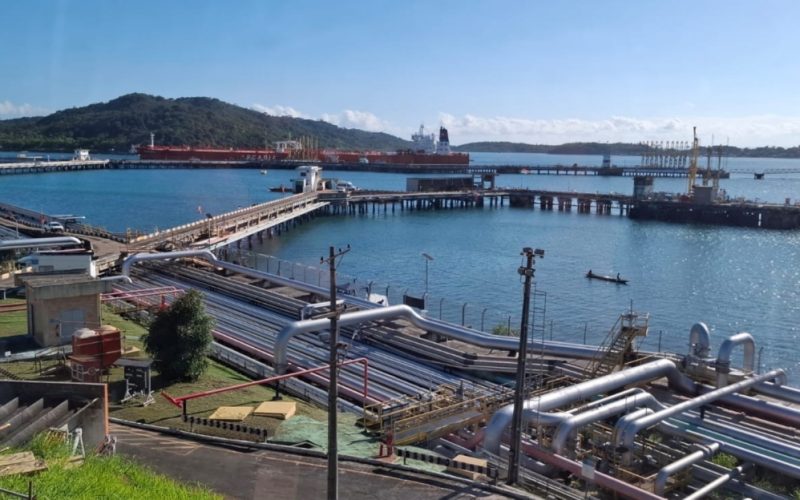
The Asian Infrastructure Investment Bank (AIIB) has approved a USD58 million loan to Acelen Renewables, anchoring a major international financing effort to construct a commercial-scale biorefinery in the Brazilian state of Bahia.
The capital injection will support the development of a cutting-edge hydro-processed esters and fatty acids (HEFA) plant. Once operational, the facility is slated to process approximately 20,000 barrels per day of feedstocks, converting soybean oil, used cooking oil, and alternative waste-based inputs into Sustainable Aviation Fuel (SAF) and Hydrotreated Vegetable Oil (HVO), commonly known as renewable diesel.
The project stands as one of Brazil’s earliest large-scale, private-sector SAF ventures utilizing HEFA technology, positioned to supply both domestic and global transport markets.
The AIIB loan forms part of a wider, coordinated syndicated financing package. Multilateral lenders, including the International Finance Corporation (IFC) and the Inter-American Development Bank (IDB), are expected to join the facility, bringing the total projected financing to around USD1.5 billion.
The initiative looks to address carbon emissions in heavy transport and aviation, two industries traditionally viewed as difficult to transition away from fossil fuels.
Konstantin Limitovskiy, AIIB’s Chief Investment Officer for Global Project and Corporate Finance, noted that the venture would help accelerate Brazil’s transition toward lower-carbon energy systems whilst concurrently lowering greenhouse gas emissions. He added that the investment is anticipated to stimulate local employment, drive economic development, and advance the region’s technical expertise in sophisticated biofuel manufacturing.
With the foundational financing framework secured, project developers are shifting focus toward construction and infrastructure deployment.
Luiz de Mendonça, Chief Executive Officer of Acelen Renewables, stated that the successful structuring of the international loan package underscores the technical, environmental, and financial viability of the venture, confirming that the company is now entering the phase of large-scale industrial execution.
The joint financial commitment by global development banks reflects growing international interest in the South American renewable fuel landscape, showcasing how multilateral frameworks can be utilized to de-risk and mobilize private capital for large-scale green infrastructure projects.