








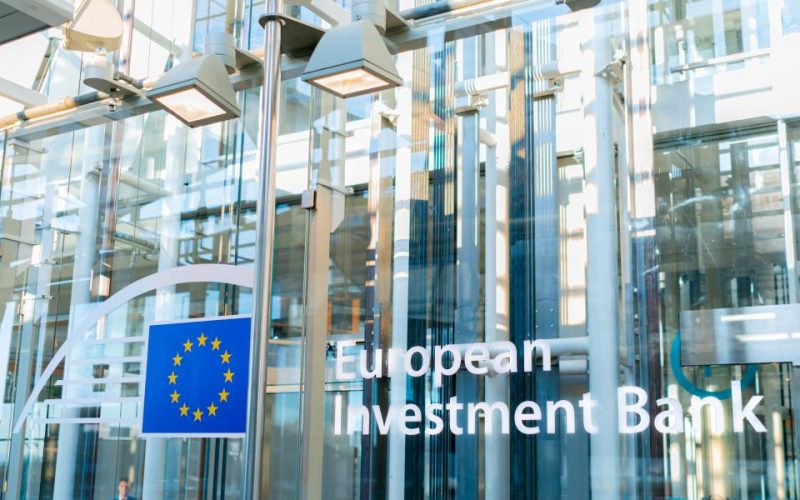
The European Investment Bank (EIB) Group has unveiled Phase 2 of its Climate Adaptation Plan (2026–2030), committing at least €30 billion ($33 billion) in financing to accelerate climate resilience projects across Europe and globally over the next five years.
The allocation doubles the funding delivered during the previous five-year period and forms a core component of the EIB Group’s broader Climate Bank Roadmap Phase 2. The strategy aligns with the European Commission’s climate resilience agenda, aiming to translate climate-risk data into bankable infrastructure, municipal, and agricultural projects.
According to research cited by the bank, every euro invested in climate adaptation yields up to €10 in economic benefits by safeguarding physical infrastructure, securing regional supply chains, and protecting vulnerable communities.
The 2026–2030 action plan focuses on making adaptation capital more accessible—particularly for small and medium-sized enterprises (SMEs)—while assisting European technology developers in commercialising climate-resilience innovations.
The strategic framework is structured around three core operational pillars:
- Scaling up investment: Mobilises public and private capital through direct financing, technical advisory services, blended finance mechanisms, and risk-sharing instruments to expand project pipelines.
- Targeting high-vulnerability sectors: Directs financial resources toward vulnerable municipalities, agricultural producers, SMEs, and climate-exposed developing partner nations.
- Mainstreaming resilience metrics: Embeds climate risk assessments across all EIB Group lending activities while standardising impact measurement and reporting protocols.
The EIB Group stated that standardising adaptation financing mechanisms will help bridge the widening capital gap as physical climate risks increase across global supply chains and local economies.