







ISS-Corporate, a global provider of corporate governance and sustainability software, has announced the launch of a unified reporting programme engineered to support companies in navigating the International Sustainability Standards Board (ISSB) disclosure frameworks.
The software and advisory solution addresses the combined requirements of IFRS S1 and IFRS S2, which establish a global baseline for capital markets-focused sustainability reporting. The move comes as 36 jurisdictions worldwide move to incorporate or reference the IFRS Sustainability Disclosure Standards (IFRS SDS) within their mandatory regulatory frameworks.
The ISSB framework consists of two core components: IFRS S1, which dictates general requirements for material sustainability-related financial disclosures, and IFRS S2, which focuses specifically on climate-related risks and opportunities. Because national adoption timelines and scopes vary significantly, multinational corporations face distinct hurdles in maintaining data consistency across different jurisdictions.
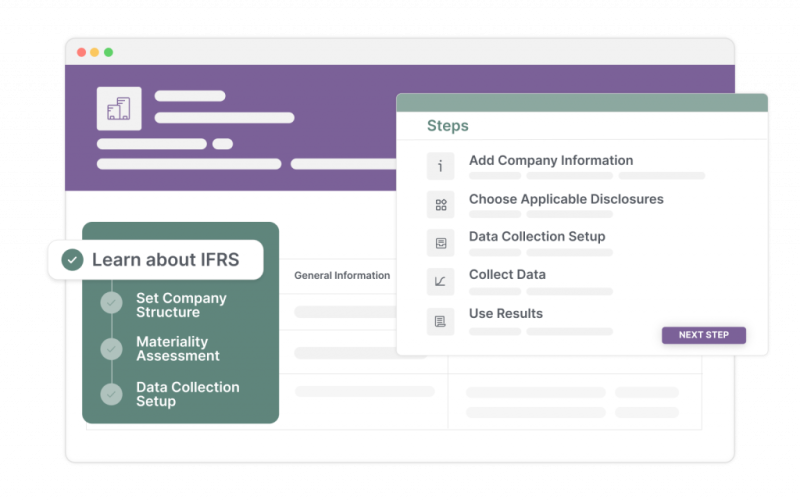
ISS-Corporate’s new platform integrates automated carbon accounting, reporting software, and bespoke advisory services into a single system. The integration aims to shift environmental, social, and governance (ESG) reporting away from an isolated compliance exercise into a core mechanism for corporate strategy and financial planning.
The primary objective of the global baseline standards is to provide institutional investors and asset managers with decision-useful, comparable data regarding how environmental factors impact corporate valuation and cash flows.
Reinhilde Weidacher, Head of Corporate Sustainability Services at ISS-Corporate, highlighted that baseline reporting serves as a critical bridge between a company and its capital providers. “As adoption of the ISSB standards accelerates globally, companies need tools that go beyond minimum requirements and enable enduring resilience,” Weidacher said. “Our unified IFRS S1 and S2 solution brings together expertise and technology to support high-quality, decision-useful disclosures in a rapidly evolving regulatory environment.”
The deployment of the unified system reflects a broader trend among corporate service providers to upgrade reporting capabilities as global accounting bodies enforce stricter, audit-ready data requirements on non-financial disclosures.