




MTR Corporation has successfully priced a triple-tranche HK$18.888 billion green bond, marking the largest corporate green bond issuance in the Asia-Pacific region to date. Crédit Agricole CIB (CACIB) served as the Joint Global Coordinator, Joint Bookrunner, and Joint Lead Manager for the historic transaction.
The deal, which represents MTR Corporation’s inaugural public bond issuance in the Hong Kong Dollar (HKD) market, set several new benchmarks for local finance. These include the largest-ever bond transaction in the HKD market, the largest total HKD orderbook, and record-breaking tranche sizes across all three tenors—notably featuring the largest 30-year HKD bond ever issued.
The issuance attracted robust demand from a diverse pool of institutional investors, resulting in an oversubscription of more than three times. Analysts noted that the HKD is increasingly viewed as a safe-haven funding currency amid current macroeconomic complexities and ongoing portfolio rebalancing trends.
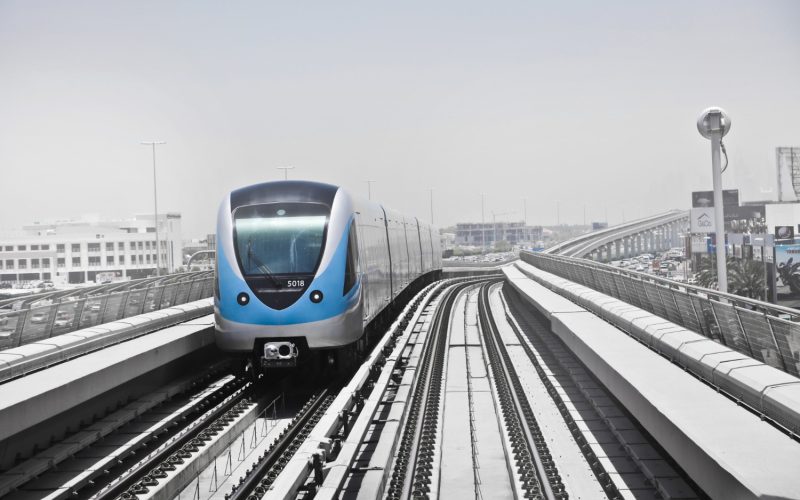
Proceeds from the bond will be allocated to eligible green investments as defined by MTR Corporation’s sustainable finance framework. The funds are expected to support the continued development of low-carbon transport infrastructure in Hong Kong, aligning with the company’s long-term sustainability objectives.
“This transaction further strengthens MTR Corporation’s financial flexibility and expands its diversified funding sources,” the corporation stated, highlighting the importance of the capital in supporting its world-class rail services.
With over 45 years of expertise spanning design, construction, and maintenance, MTR Corporation is globally recognised as a leader in sustainable rail transport. Carrying over 13 million passenger journeys every weekday across Hong Kong and Mainland China, the corporation employs more than 46,000 staff to maintain its extensive network.
The successful pricing of this bond underscores investor confidence in MTR’s operational resilience and its central role in the region’s transition to a greener urban infrastructure.