








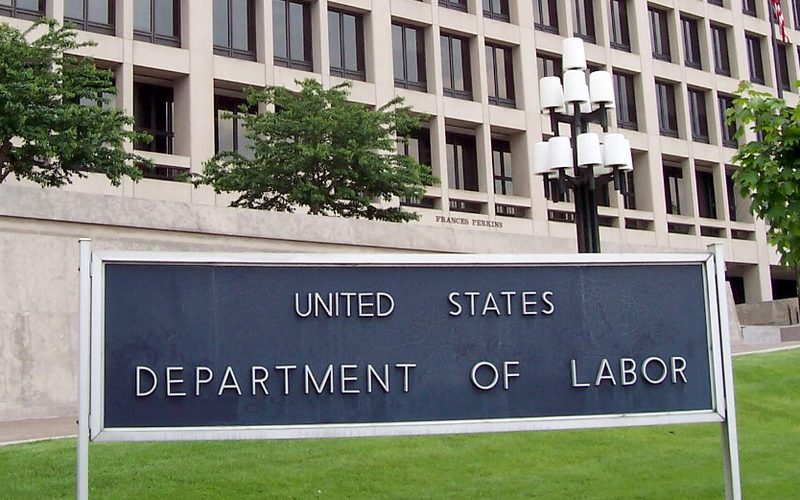
The US Department of Labor (DOL) has unveiled a proposed rule to remove references to environmental, social, and governance (ESG) factors from federal retirement plan regulations under the Employee Retirement Income Security Act of 1974 (ERISA), reversing a 2022 Biden-era rule and tightening oversight of fund managers’ proxy voting activities.
Titled Loyalty and the Exclusive Purpose Rule in Selecting Plan Investments and Exercising Shareholder Rights, the proposal eliminates a contested “tiebreaker” provision introduced in the previous administration’s rule, which took effect in 2023 and permitted fiduciaries to consider collateral benefits such as ESG criteria when selecting between financially equivalent investments.
Under the revised framework, fiduciaries overseeing 401(k) and other employer-sponsored retirement plans are explicitly instructed to act without ulterior motives and resist pressure to prioritise diversity, equity, and inclusion (DEI) or ESG objectives over financial returns.
“Our proposed rule makes clear that retirement plan fiduciaries must make investment decisions solely in the financial interests of workers and retirees, not to advance political or social agendas,” Labor Secretary Keith Sonderling stated in a press release.
Alongside investment selection, the proposal introduces heightened scrutiny of shareholder engagement and proxy voting by ERISA-covered asset managers, targeting practices where managers vote shares or engage companies to influence corporate behaviour toward ESG or DEI goals.
The 2022 rule had faced sustained legal challenges from Republican-led states throughout 2024 and was flagged for review under an executive order issued by President Donald Trump in December 2025 targeting ESG and climate policies. In its proposal, the Labor Department stated that portions of the 2022 rule could be construed as promoting ESG investment strategies over alternatives in a manner inconsistent with ERISA’s statutory text.
While stripping ESG terminology from the regulation, the department clarified that the proposed amendment does not impose a categorical ban on considering any specific type of financial information.
Scheduled for publication in the Federal Register on 24 November, the proposal opens a 60-day public comment period.