






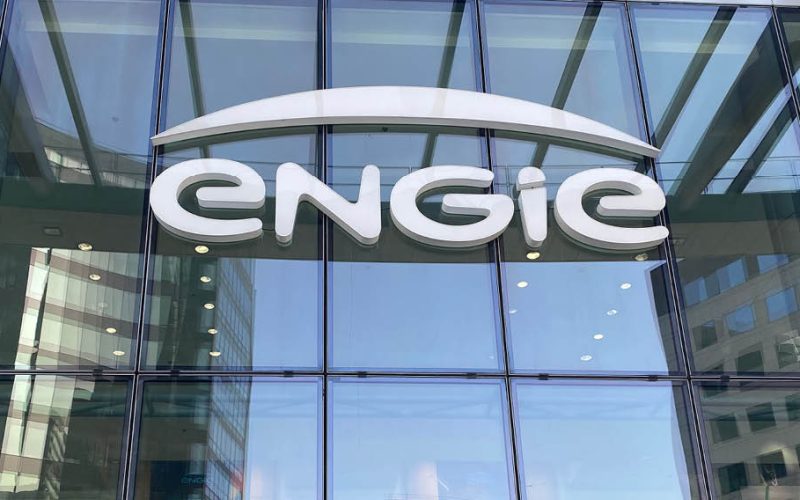
Arcadia, the technology platform specialising in energy intelligence, has announced a definitive agreement to acquire ENGIE Impact, the utility expense, energy procurement, and sustainability advising arm of ENGIE. The strategic acquisition aims to solve the “fractured” nature of corporate energy management by merging ENGIE Impact’s 30-year operational history with Arcadia’s AI-driven data capabilities.
The transaction creates a unified global solution designed to handle the entire utility data lifecycle, ranging from automated bill payments to high-level strategic energy procurement.
The combined platform will hold a commanding position in the enterprise market, serving over 1,500 customers, including approximately 25% of the Fortune 500. The scale of the new entity is significant:
- Meter management: Overseeing more than 4.5 million meters worldwide.
- Financial volume: Processing over $30 billion in annual utility payments.
“Enterprises have tried for too long to navigate fractured energy management processes on their own,” said Kiran Bhatraju, founder and CEO of Arcadia. “Together with ENGIE Impact, we’re fixing that. Our AI-powered platform roots out wasted spend and manual work, allowing businesses to save time and money at a moment of incredible volatility in energy markets.”
ENGIE Impact brings a deep infrastructure and subject-matter expertise to the deal, which will now be enhanced by Arcadia’s technology. The partnership is expected to offer a level of transparency in energy management that was previously unattainable for large-scale organisations.
Paige Janson, CEO of ENGIE Impact, described the move as an “exciting evolution” for the firm’s clients. “By combining Arcadia’s technology with our proven infrastructure, we can deliver a level of transparency and efficiency that was previously out of reach,” she stated.
Arcadia confirmed that during the integration period, customers of both organisations will continue to receive uninterrupted service. As the platforms merge, clients will gain access to an expanded suite of capabilities, including enhanced data analytics and more sophisticated sustainability reporting tools.
The deal highlights the accelerating trend of digital transformation in the energy sector, as businesses increasingly turn to AI and automated data platforms to navigate complex global energy transitions and volatile pricing.