






France has presented a comprehensive 14-page strategy to completely phase out oil, gas, and coal by mid-century, marking a significant milestone at the first-ever global talks dedicated to transitioning away from fossil fuels.
The roadmap consolidates existing climate policies into a unified, explicit framework. Analysts have noted that the plan represents the clearest and most detailed national strategy published by a major economy to date, providing a definitive timeline for carbon neutrality.
The French strategy aims to drastically reduce the share of fossil fuels in final energy consumption—which includes energy used by households, industry, and agriculture. Having already lowered this share from 65% in 2011 to under 60% in 2023, the government has set the following benchmarks:
- 2030: Reduce fossil fuel share to 40%.
- 2035: Reduce fossil fuel share to 30%.
- 2050: Achieve a total energy phase-out of fossil fuels and reach carbon neutrality.
Specific phase-out timelines
The document outlines a sector-by-sector exit strategy for the three major fossil fuels:
- Coal: The country’s last two coal-fired power plants are scheduled for closure by 2027.
- Oil: A transition away from oil is targeted for 2045, driven primarily by the “large-scale electrification” of the transport sector.
- Gas: Fossil gas is to be eliminated by 2050 through energy efficiency and alternative heating technologies.
Transformation of transport and housing
To achieve these goals, the roadmap details a massive industrial and domestic shift. France aims for two-thirds of all new car sales to be electric by 2030, with domestic manufacturers expected to produce one million electric vehicles annually by that date. The document emphasises that this transition must be handled carefully to ensure that a reduced dependence on oil does not result in a new reliance on imported vehicles.
In the residential sector, the installation of gas boilers in new buildings will be prohibited by the end of this year. The government plans to ramp up the installation of heat pumps to one million units per year by 2030, while aiming to phase out fossil oil for heating entirely by 2035.
The role of nuclear and renewables
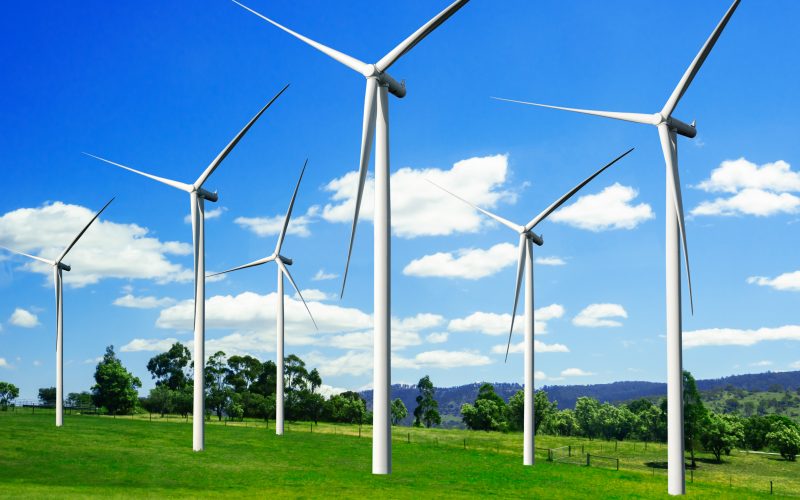
France’s electricity strategy continues to lean heavily on its nuclear fleet, which provided two-thirds of the nation’s power in 2025. The plan includes the construction of next-generation EPR2 reactors and extending the lifespan of existing facilities. Simultaneously, France intends to add 1.3 gigawatts of onshore wind capacity annually and triple its installed solar capacity by 2035.