






Amazon has signed a $30 million agreement to purchase carbon credits from Indian rice farmers, representing one of the largest agriculture-linked carbon transactions in India to date. The deal signals an evolving corporate strategy that prioritises methane reduction and decentralised, nature-based solutions.
The agreement is being managed through the Good Rice Alliance, a collaborative platform between Bayer, GenZero, and Shell Nature-Based Solutions, with backing from Singapore’s Temasek. This structure allows Amazon to efficiently scale the programme across thousands of smallholder farms rather than managing individual contracts.
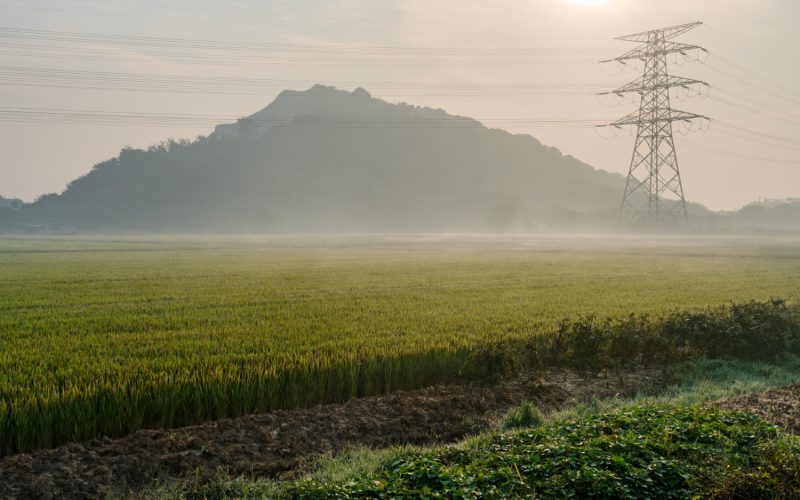
The project focuses on a technique known as Alternate Wetting and Drying (AWD). Traditional rice cultivation involves keeping paddies permanently flooded, an oxygen-free environment that generates significant methane emissions. By periodically allowing fields to dry, farmers disrupt the formation of methane—a greenhouse gas far more potent than carbon dioxide—without compromising crop yields.
The benefits of the AWD method extend beyond climate mitigation:
- Water conservation: The approach significantly lowers water consumption, providing a vital buffer for regions currently experiencing water stress.
- Diversified income: Farmers earn carbon credits by adopting these climate-friendly techniques, creating a new revenue stream from sustainable practices.
- Economic resilience: The project currently supports over 13,000 smallholder farmers across approximately 35,000 hectares.
Amazon expects the initiative to offset roughly 685,000 metric tonnes of carbon dioxide equivalent. The move reflects a broader shift in the voluntary carbon market; while forestry and renewable energy have historically dominated, there is growing corporate interest in agricultural solutions that address methane directly.
For India, the world’s largest rice producer, the project offers a scalable model for meeting national climate targets while supporting rural livelihoods. For Amazon, the investment reinforces a commitment to reshaping ecosystems far beyond its immediate operational footprint. In this instance, the company’s path to its net-zero goals leads directly through the paddy fields of rural India.