




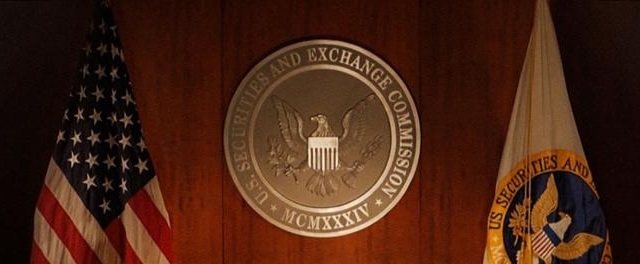
The US Securities and Exchange Commission (SEC) has formally proposed the complete rescission of its controversial climate-related disclosure rules, signalling a major regulatory pivot back towards traditional market principles. The agency stated that the rules, which mandate that public corporations report environmental risk and emissions data, are overly burdensome, costly, and exceed the Commission’s statutory authority.
The proposal marks a decisive effort by the regulator to restore a strict, materiality-focused framework to corporate financial disclosures and move away from non-financial environmental tracking.
Regulating within statutory authority
SEC Chairman Paul S. Atkins emphasised the agency’s intention to return to its core legislative mandate. “SEC disclosure obligations should comply with the Commission’s statutory authority, be guided by materiality as the North Star, avoid the practical effect of dictating corporate behaviour, and be imposed only when the expected benefits justify the likely costs and burdens,” Atkins said in an official statement.
The original regulatory amendments were approved by the Commission in March 2024 under the Securities Act of 1933 and the Securities Exchange Act of 1934. That framework required virtually all publicly traded companies to provide highly granular data regarding their greenhouse gas emissions, institutional climate-risk management strategies, and the direct impact of severe weather events on corporate financial statements.
Procedural history and legal background
The regulatory roll-back follows an extended period of administrative stays and federal litigation:
- April 2024: The SEC stayed the implementation of the climate disclosure rules pending the outcome of consolidated legal challenges brought before the US Court of Appeals for the Eighth Circuit.
- March 2025: The Commission voted to formally halt its legal defence of the final rules.
- September 2025: The Eighth Circuit issued an order holding the judicial petitions for review in abeyance, allowing the SEC to reconsider the contested rules via standard notice-and-comment administrative rulemaking.
Core arguments for rescission
In its new proposal, the SEC argues that the 2024 climate mandates overstepped the explicit legal boundaries established by Congress. The regulator further detailed independent policy justifications for dismantling the framework entirely, asserting that the requirements are unnecessary and run counter to a registrant-specific, materiality-based disclosure model that protects everyday investors.
Furthermore, the Commission stated that the rules strayed beyond the policy concerns of federal securities laws, imposed significant compliance costs on public firms and their shareholders without generating justifiable informational benefits, and conflicted with the SEC’s foundational objective of facilitating domestic capital formation.
The publication of the proposing release opens a mandatory 60-day public comment window, commencing upon its formal entry into the Federal Register.