






Eni and MSC Cruises have announced the successful completion of a comprehensive technical trial using 100% Hydrogenated Vegetable Oil (HVO) to power cruise ship engines. The test confirms that HVO is a technically viable, “drop-in” solution for the maritime sector, offering a significant reduction in life-cycle greenhouse gas (GHG) emissions without requiring engine modifications.
The trial was conducted aboard the MSC Opera, where one of the vessel’s engines was powered by Enilive’s HVO diesel for approximately 2,000 hours. Performance and emissions data were monitored throughout the period and validated by engine manufacturer Wärtsilä and independent certifier Bureau Veritas.
The experimental results demonstrated that HVO provides performance parity with traditional fossil fuels while delivering substantial environmental benefits:
- Life-cycle GHG emissions: A reduction of approximately 80% compared to traditional marine fuel, attributed to the use of 100% biogenic feedstocks.
- Nitrogen Oxides (NOx): A 16% decrease in emissions.
- Particulate matter: Significant reductions recorded during the testing phase.
The trial highlights HVO as a strategic tool for shipowners to meet the stringent targets set by the FuelEU Maritime regulation and lower emission-related operational costs.
Unlike many alternative fuels that require new engine technology or infrastructure, HVO is immediately applicable to existing marine engines. Stefano Ballista, CEO of Enilive, noted that the fuel can reduce climate-altering emissions by 65% to 90% across the entire supply chain.
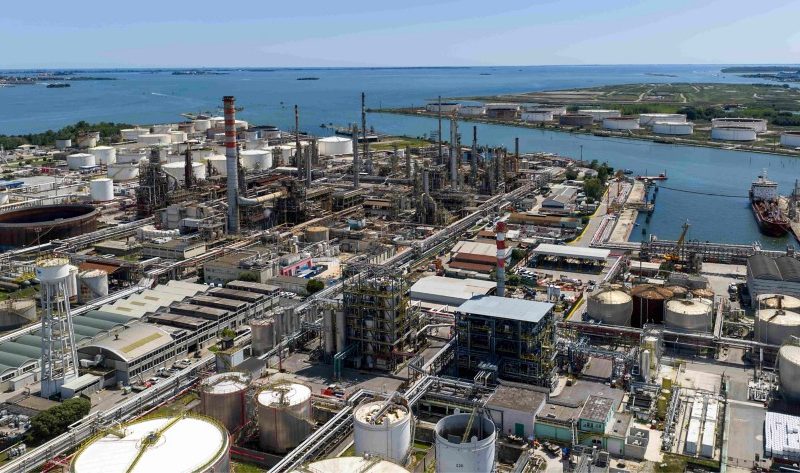
“HVO is produced at Enilive’s biorefineries in Venice and Gela, mainly from waste feedstocks such as used cooking oils and animal fats,” Ballista stated. “For several months now, Enilive’s marine HVO diesel has been available at the ports of Genoa, Ravenna, and Venice for direct delivery via barge.”
For MSC Cruises, the trial is a critical component of its broader strategy to reach net-zero GHG emissions by 2050. The company views HVO as a complementary solution to other available fuels like LNG and bio-LNG.
“We are very pleased to have satisfactorily confirmed the technical feasibility of 100% HVO on our cruise ship,” said Michele Francioni, Chief Energy Transition Officer at MSC Cruises. “HVO constitutes an immediate opportunity that could be deployed on board cruise ships to accelerate the transition towards renewable fuels.”