




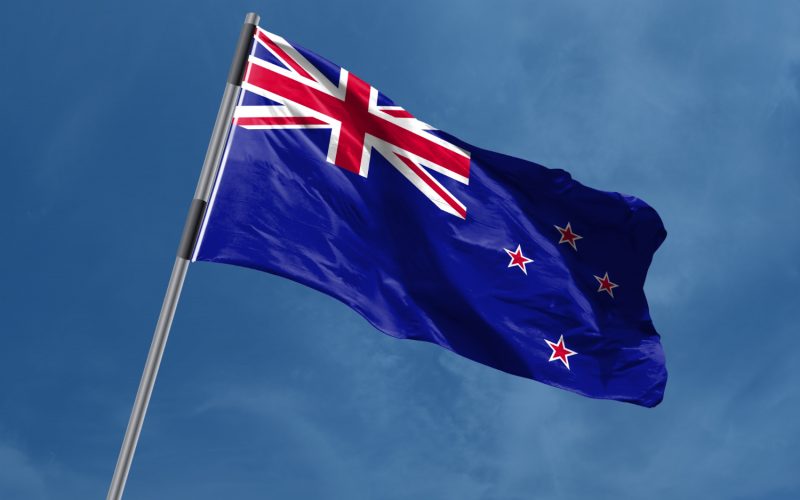
The New Zealand government has announced plans to amend the country’s climate legislation to prevent companies from being held liable in private court cases for damages related to greenhouse gas emissions.
Justice Minister Paul Goldsmith confirmed that the government will update the Climate Change Response Act 2002. Crucially, the amendment will apply to both current and future legal proceedings, effectively derailing several high-profile cases currently moving through the judicial system.
The move comes as a response to a surge in global climate litigation, where activists and landowners have sought to use tort law to hold major emitters financially responsible for environmental damage. In New Zealand, this includes a landmark High Court case brought by climate activist Michael Smith against six of the country’s largest companies, including the dairy giant Fonterra.
Minister Goldsmith argued that such litigation creates significant uncertainty for the private sector. “The courts are not the right place to resolve claims of harm from climate change,” Goldsmith stated, adding that the judicial system is ill-equipped to handle the complex intersection of environmental, social, and economic issues involved.
The government maintains that New Zealand’s climate response should be managed exclusively through Parliament, the Emissions Trading Scheme (ETS), and established legislative frameworks rather than through “novel” legal challenges.
The lawsuit at the centre of this legislative shift alleges that corporate emissions have directly contributed to climate change, damaging the plaintiff’s land and infringing upon cultural rights. By retroactively applying the new law, the government will likely nullify these claims before they can reach trial next year.
While the government stressed that the change would not alter its own statutory responsibilities or the obligations of businesses under the ETS, the decision has sparked a sharp backlash from international legal advocates.
ClientEarth, a global environmental law group, described the move as “deeply concerning.” The organisation pointed to a July 2025 ruling by the International Court of Justice, which affirmed that states have a legal obligation to address climate harm.
“People must be able to test those obligations in court,” a spokesperson for ClientEarth said. “Restricting access to courts is bad for justice, bad for the environment, and bad for democracy and the rule of law.”
As governments in Europe, the United States, and Australia continue to test the limits of corporate responsibility in the courts, New Zealand’s legislative intervention marks a definitive stance in favour of parliamentary control over climate accountability.