




The European Commission has authorised a €5 billion ($5.8 billion) Danish state aid scheme to significantly expand offshore wind capacity. Approved under the Clean Industrial Deal State Aid Framework (CISAF) adopted in June 2025, the measure is designed to accelerate Denmark’s transition to a net-zero economy and help meet the EU’s 2030 renewable energy targets.
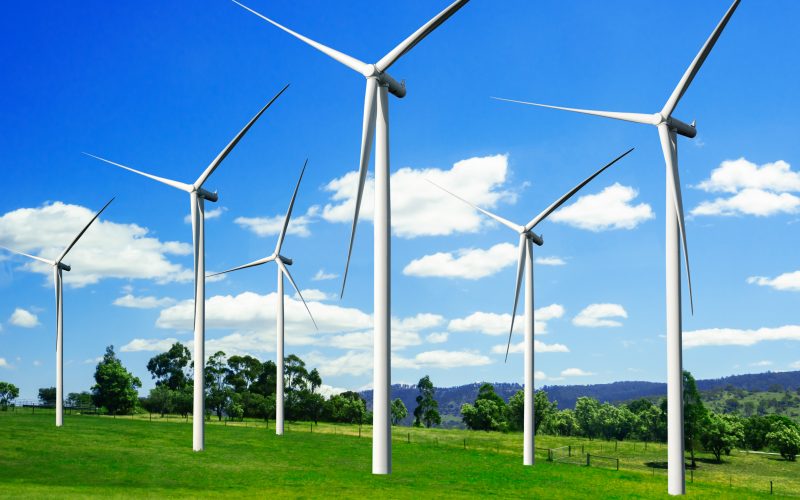
The scheme will fund the construction and operation of two major offshore wind farms: Hesselø, located in the Kattegat, and North Sea I Mid. Combined, these projects are expected to deliver a minimum capacity of 1.8 GW, generating approximately 7.8 TWh of electricity annually. This output represents roughly 25% of Denmark’s total electricity production from the previous year.
Support will be provided over a 20-year period through a “two-way contract for difference” (CfD) based on monthly variable premiums. Under this model, if the market price for electricity falls below a competitively bid strike price, the Danish government compensates the operators. Conversely, if market prices exceed the bid price, the operators must return the surplus revenue to the state.
Notably, the scheme utilises a “capability-based” compensation model. This ensures that producers are paid based on potential production rather than actual output during periods of negative market value, encouraging efficient grid management and preventing market distortion.
The Commission concluded that the aid is “necessary, appropriate, and proportionate” to facilitate the objectives of the Clean Industrial Deal. By de-risking these large-scale investments, Denmark aims to solidify its position as a leader in wind energy while contributing to the broader European goal of reducing dependence on imported fossil fuels.
The decision follows the implementation of the CISAF last year, which simplified tender procedures for member states to support strategic net-zero technologies, including renewable energy, storage, and clean tech manufacturing.