









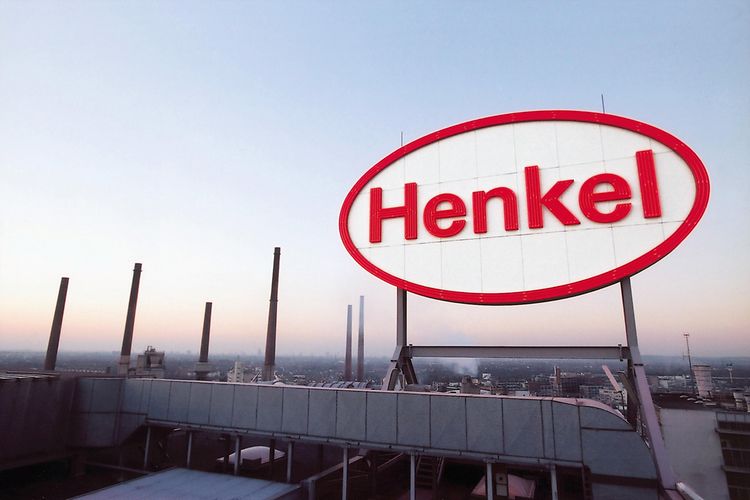
Henkel has announced a new set of mid-term sustainability targets for 2030, marking a strategic shift to accelerate environmental and social impact across its global value chain. The company has introduced a holistic framework focusing on three core pillars: climate action, employee equity, and sustainable supply chains.
The company has committed to achieving net-zero emissions by 2045, with its roadmap recently validated by the Science Based Targets initiative (SBTi). As a primary milestone, Henkel aims to slash absolute Scope 1 and 2 emissions by 42 per cent and Scope 3 emissions by 30 per cent by 2030, using a 2021 baseline. The firm has already made significant headway, reporting a 29 per cent reduction across all scopes by 2025 and transition to 89 per cent renewable electricity globally.
“For 150 years, Henkel has demonstrated that responsible practice and strong business performance go hand in hand. In today’s challenging and volatile environment, it is more important than ever to take a clear and consistent stance in shaping a sustainable future,” says Carsten Knobel, CEO of Henkel. “In line with our purposeful growth agenda, we are now taking the next step with new and ambitious, yet tangible sustainability goals.”
Beyond emissions, Henkel is doubling down on the circular economy. The company plans to ensure 100 per cent of its packaging is designed for recycling by 2030—up from 88 per cent today—and intends to increase the share of recycled materials in consumer goods packaging to at least 35 per cent.
On the social front, the group is striving for global gender balance in management and total pay equity by 2030. “The new targets reflect a strategic decision to accelerate impact across our entire value chain, providing a clear and actionable framework to embed sustainability into everyday decisions across the business,” adds Sylvie Nicol, Executive Vice President Human Resources, Infrastructure and Sustainability.
The strategy also extends to Henkel’s partners; by 2030, 85 per cent of its suppliers are expected to meet strict sustainability criteria. These efforts have already garnered external recognition, with Henkel recently achieving an “A” rating from CDP and retaining its Gold status from EcoVadis.