








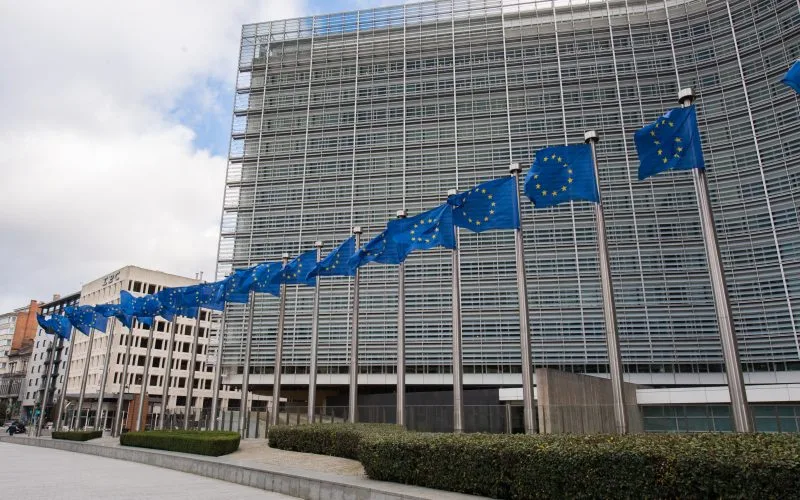
The European Commission has unveiled a comprehensive EU Framework for Climate Resilience, introducing structural policy shifts, standardized warming benchmarks, and strategic investment mechanisms to protect infrastructure, public health, and industrial competitiveness across the continent.
The framework follows severe heatwaves, historical droughts, and catastrophic flooding that caused an estimated €200 billion in cumulative climate-related economic damage across Europe between 2022 and 2025, averaging €50 billion per year. With roughly 75 per cent of Europeans residing in urban areas, regional authorities face growing operational pressure to adapt critical municipal infrastructure to extreme weather events.
A core component of the framework is the proposed Climate Resilience Law, which establishes a standardized reference trajectory for global warming—projecting temperatures to reach 1.5°C above pre-industrial levels by 2030, 2°C by 2050, and 3°C by 2100. This trajectory provides Member States with a baseline for regional risk assessments while streamlining national planning obligations into a single national strategic plan.
Key operational, economic, and technological dimensions of the framework include:
- Investment and Return Ratio: Estimates that adapting European infrastructure requires approximately €70 billion in annual investment, with projected economic returns exceeding ten times that value in avoided structural damage and economic loss.
- Market Opportunity: Highlights projections that the global market for climate adaptation solutions will quadruple to €3.5 trillion by 2050, offering European clean-tech firms market leadership opportunities.
- Digital Hazard Tools: Launches new public digital tools on the European online platform for climate resilience, including the ECMWF-powered European Climate Viewer, the EEA’s Navigator of Climate Resilience Tools, and the Solutions Explorer.
- Administrative Streamlining: Standardises EU and national risk assessment models to reduce administrative burdens for public authorities and institutional investors.
European Commission President Ursula von der Leyen stated that because Europe is warming at double the global rate, embedding climate resilience into policy frameworks is essential to support long-term economic growth, security, and industrial innovation.
As immediate next steps, the Commission plans to roll out targeted initiatives including a European Heatwave Plan, a Climate Insurance Alliance, a European Water Initiative, and a PreparEU Advisory Group on disaster preparedness, alongside an effort to identify Europe’s 100 most climate-vulnerable territories. A formal EU strategic plan on climate resilience is scheduled for presentation in 2028.