






Google has announced a new initiative to address water scarcity and quality issues in the Scheldt Basin by supporting the implementation of AI-powered precision agriculture across more than 1,000 hectares of Belgian farmland.
In collaboration with Agua Segura and Agrow Analytics, the project aims to replenish up to 158 million gallons (600,000 cubic metres) of water annually. The effort is part of a broader strategy to support local ecosystems and build water resilience in regions that host the company’s data centre infrastructure.
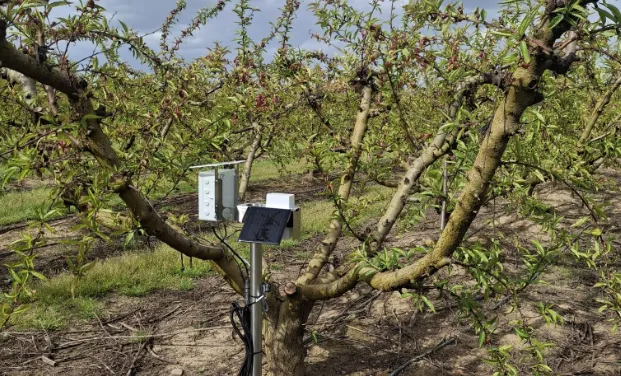
The initiative utilises Agrow Analytics’ advanced technology platform, which synthesises climate, water, and soil data gathered from satellite and thermal imagery. This high-resolution data allows the platform to provide farmers with highly specific, real-time recommendations for irrigation and fertilisation.
By applying water and nutrients only when and where they are most needed, the project seeks to:
- Reduce irrigation demand: Lowering the total volume of water extracted from the Scheldt river network.
- Minimise fertilizer runoff: Enhancing local water quality by preventing excess chemicals from entering the basin’s sensitive waterways.
- Optimise yields: Providing farmers with smarter resource management tools to improve decision-making and operational efficiency.
The Scheldt Basin is a vital river network that supports agriculture, industry, and biodiversity across Belgium. However, the region faces increasing pressure from shifting climate patterns and high demand for water resources.
By equipping over 1,000 hectares with AI-driven tools, the partnership aims to create a measurable positive impact on the basin’s water balance. This project reflects an increasing trend of technology companies investing in nature-based and digital solutions to offset the resource requirements of large-scale computing infrastructure.
Google noted that supporting these local agricultural communities is essential for long-term water security, ensuring that both natural ecosystems and industrial operations can thrive in a more water-stressed future.