


Spanish telecommunications multinational Telefónica has formally approved its Global Sustainability Plan 2026–2030, integrating environmental, social, and governance targets directly into its core business strategy. Formulated as a key component of the company’s broader “Transform & Grow” strategic roadmap, the new initiative frames sustainability as a tool for commercial growth, operational efficiency, and risk mitigation amidst intensifying global competition and geopolitical uncertainty.
The five-year plan establishes concrete, business-related impact targets and key performance indicators rather than treating sustainability purely as a compliance exercise. By integrating these metrics across all global business units, the telecommunications giant intends to capture new commercial opportunities, such as its Eco Smart product range, which assists corporate and residential customers with their own decarbonisation efforts.
Under the environmental branch of the strategy, Telefónica has significantly increased its climate targets. The corporation has committed to reducing its direct Scope 1 and 2 emissions by 90 per cent, alongside a 56 per cent reduction in Scope 3 value chain emissions by 2030. These intermediate targets serve as stepping stones toward achieving full net-zero emissions by 2040.
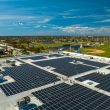
Resource circularity and infrastructure resilience also feature heavily in the environmental roadmap. Telefónica has set a target to achieve zero waste by 2030 by prioritising the refurbishment and reuse of technological equipment, thereby reducing its reliance on critical raw materials. To mitigate the operational hazards associated with climate change, the firm will strengthen its physical infrastructure and expand its reliance on long-term renewable energy power purchase agreements to safeguard its energy security.
Maya Ormazabal, Global Chief Sustainability Officer at Telefónica, emphasised that integrating sustainability into the core business functions acts as a distinct source of growth, resilience, and market trust. She noted that the new plan strengthens corporate competitiveness whilst creating tangible value for shareholders, customers, and wider society.
The social component of the plan concentrates on promoting inclusive digitalisation, which includes extending network connectivity into underserved rural areas, enhancing digital accessibility, and developing protective frameworks for children’s digital wellbeing. Internally, the strategy focuses on talent retention and training staff in strategic digital skills to lead the sector’s ongoing technological transition.
From a governance perspective, the framework introduces explicit guidelines for artificial intelligence oversight, alongside updated data privacy and security management protocols. The company will also enforce stricter traceability and sustainability compliance across its global supply chain while continuing to secure sustainable financing instruments. Implementation of the 2026–2030 roadmap will be monitored directly by the Group’s Sustainability and Regulation Committee, with performance metrics tied directly to executive management oversight.