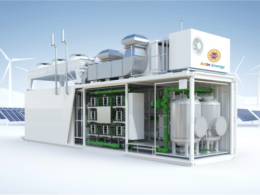







Technology giant Google, in partnership with Cypress Creek Energy, has broken ground on the Steel River Energy Center in Mississippi County, Arkansas, which is set to become the largest solar and battery storage facility in the United States. The project represents the largest single clean energy installation across Google’s global portfolio to date and is designed to channel industrial innovation and workforce investment directly back into the state’s economy.
By collaborating with regional leaders and residents, the initiative aims to reinforce the local electricity grid, which powers the state’s industrial steel manufacturing sector, residential households, and expanding data centre infrastructure.
Google is participating as both an anchor investor and an energy offtaker for the project, backing the initial two development phases. These opening stages will add 1.6 GWdc of solar generation and 1.9 GWh of battery storage to the regional grid. Once the full three-phase facility becomes operational in 2029, the site will deliver a total of 2.5 GWdc of new solar capacity alongside 2.9 GWh of advanced battery storage. The combined output will generate enough clean electricity to power more than 315,000 homes in Arkansas annually.
The integration of utility-scale battery storage is central to Google’s corporate strategy to source round-the-clock carbon-free energy for its operations. By capturing peak daytime solar output and discharging it during periods of high demand, the facility will enhance grid resilience and help manage rising electricity demand whilst keeping power rates affordable for consumers.
In a move that highlights the project’s regional supply ties, the facility will be constructed using 100 per cent US-made structural steel. The materials will be sourced locally from U.S. Steel’s nearby Big River installation and manufactured at the PACO Steel plant in Arkansas. The deal builds on a broader national trend where rising corporate clean energy demands are driving procurement for domestic steel, solar trackers, and battery technologies.
The infrastructure project is also expected to deliver substantial economic benefits to the host community. The construction phase will generate approximately 700 local jobs, and the facility is projected to yield an estimated $300 million in local tax revenue over its operational lifespan.
Furthermore, Google has committed $5 million toward regional energy affordability initiatives, expanding upon the existing Greater West Memphis Energy Impact Fund. This funding will support community solar subscriptions for low-income energy consumers in West Memphis, finance residential weatherization and safety upgrades across Mississippi County, and fund energy efficiency upgrades throughout Arkansas K-12 public schools.