



Italian engineering and technology group MAIRE has successfully completed a €115 million top-up placement of its Sustainability-Linked Schuldschein loan. The additional funding brings the total size of the facility to €300 million, fulfilling the maximum upsize option outlined during the initial €185 million placement on 20 April 2026.
The senior unsecured loan is split into two tranches with maturities of three and five years, both carrying variable interest rates. The applicable margin on the six-month Euribor has been set at 1.50% for the three-year tranche and 1.70% for the five-year tranche. In line with MAIRE’s Sustainability-Linked Financing Framework adopted in October 2025, the final pricing of the debt is directly tied to the group’s achievement of specific decarbonisation targets.
The private placement, which is governed by German law, attracted strong demand from a diverse mix of domestic and international banks and financial institutions, primarily originating from Europe and Asia. MAIRE intends to utilise the proceeds to fund general corporate purposes and to facilitate the early repayment of its existing credit facilities.
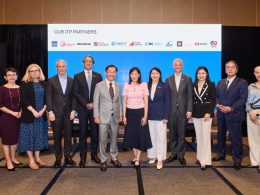
A robust group of financial institutions managed the issuance. BNP Paribas, BPER – Corporate & Investment Banking Division, Commerzbank Aktiengesellschaft, Crédit Agricole Corporate and Investment Bank, Intesa Sanpaolo (IMI CIB Division), and UniCredit Bank GmbH served as the joint arrangers. Within the structure, Crédit Agricole Corporate and Investment Bank operated as the Sustainability Coordinator, while UniCredit Bank GmbH took on the role of Paying Agent.
Mariano Avanzi, Chief Financial Officer of MAIRE, expressed satisfaction with the transaction, noting that reaching the €300 million ceiling demonstrates strong investor confidence in the group’s financial resilience and sustainable growth strategy. He added that the financing allows the company to further optimise its financial structure by extending its debt maturity profile, lowering the average cost of borrowing, and maintaining the financial flexibility required to pursue its strategic priorities.