








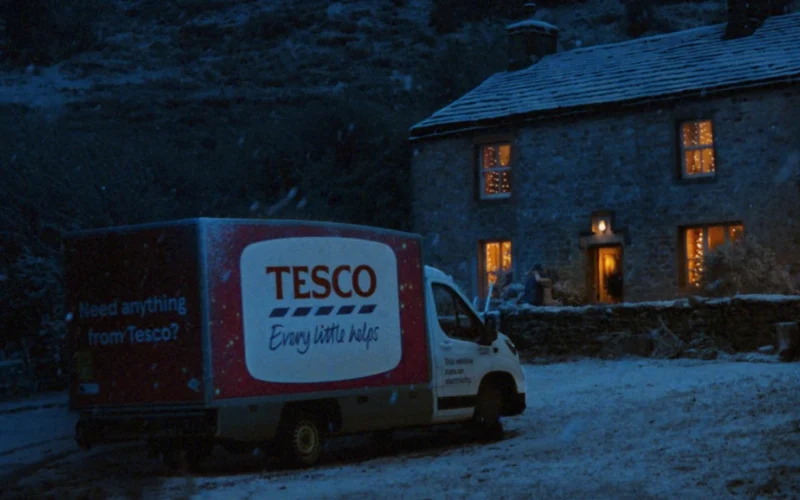
Tesco has invited approximately 400 suppliers across the United Kingdom and Ireland to join a centralised climate data-sharing platform in a move to standardise sustainability reporting and accelerate supply chain decarbonisation.
The UK’s largest supermarket chain stated that the invited vendors account for more than 80 per cent of its grocery supply chain by value. By adopting OpenClimat, Tesco becomes the first UK-based retailer to use the France-based fast-moving consumer goods (FMCG) climate data exchange, joining more than 15 European grocers—including Carrefour, E.Leclerc, and Metro—alongside food and beverage manufacturers such as General Mills, McCain Foods, and JDE Peet’s.
Founded in 2022, OpenClimat provides a unified portal for manufacturers to log emissions metrics, addressing industry fragmentation where suppliers frequently face duplicate reporting templates from multiple retail buyers. Survey data published last month by UK grocery research organisation IGD found that over 95 per cent of suppliers receive multiple, varying customer requests for similar sustainability disclosures.
The rollout supports Tesco’s target of achieving net-zero emissions across its full value chain by 2050. While Scope 3 supply chain activities typically account for more than 90 per cent of a major grocer’s carbon footprint, Tesco noted in a May progress report that its direct Scope 1 and 2 emissions—which have fallen 68 per cent against a 2015/16 baseline, exceeding its 60 per cent target for the end of 2025—now represent roughly 1 per cent of its total footprint.
Claire Lorains, Quality and Sustainability Director at Tesco, stated that reaching net zero across the retailer’s entire value chain by 2050 depends on close collaboration with suppliers to drive measurable emissions reductions, adding that the platform will streamline data sharing and improve visibility into supply chain emissions.
Elsa Chai, Co-Founder of OpenClimat, noted that food and drink manufacturers had requested the expansion of its collaborative reporting model into the UK, adding that climate data should drive decarbonisation progress rather than administrative paperwork.