


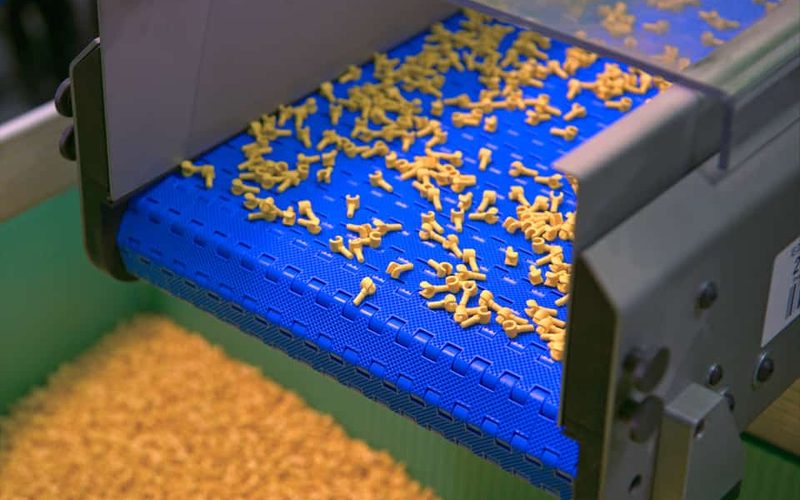
The LEGO Group has commenced incorporating e-methanol, a renewable feedstock, into its manufacturing operations to produce more than 90 rigid plastic components, including minifigure hands, cross axles, connectors, and steering wheels.
The commercial deployment follows a five-year industrial development and testing initiative conducted alongside supply chain partners to support the scaling of renewable chemicals.
The e-methanol is produced via a Power-to-X process, where renewable electricity generates hydrogen through electrolysis, which is subsequently combined with biogenic carbon captured from a biogas facility. The resulting synthetic chemical serves as a direct alternative to fossil fuel feedstocks in plastic manufacturing.
Operational and supply chain highlights include:
- Mass balance integration: The e-methanol is introduced directly into existing petrochemical manufacturing loops alongside virgin fossil materials, enabling immediate production scaling without requiring dedicated production infrastructure.
- Material integrity: The renewable material meets existing structural safety, quality, and durability parameters for plastic elements.
- Decarbonisation strategy: The initiative aligns with the group’s broader target to increase the proportion of recycled and renewable raw materials purchased for global production.
The LEGO Group stated that introducing e-methanol demonstrates how cross-industry partnerships and mass-balance chemical allocation models can accelerate the adoption of circular and bio-based materials across consumer goods supply chains.