







Everlane, the digital-first clothing brand that built its reputation on ethical sourcing and radical transparency, is being acquired by Chinese fast-fashion e-commerce giant Shein.
An internal letter sent to Everlane employees by Chief Executive Officer Alfred Chang, which confirmed the transaction, was obtained by a media house. The financial terms of the acquisition were not disclosed by Everlane, and Shein has declined to comment on the transaction.
Everlane was founded in 2011 by Michael Preysman and Jesse Farmer with a core corporate mission to produce environmentally friendly, high-quality clothing at accessible price points. The brand gained a distinct industry footprint by publishing detailed audits of its manufacturing facilities, wage structures, and aggregate carbon footprint before opening its first brick-and-mortar storefront in 2017. Preysman stepped down from the chief executive role in 2022, and private equity firm L Catterton subsequently became the company’s majority owner.
Despite its sustainable branding, Everlane has encountered operational headwinds in recent years, alongside media scrutiny regarding its internal labor relations and worker treatment.
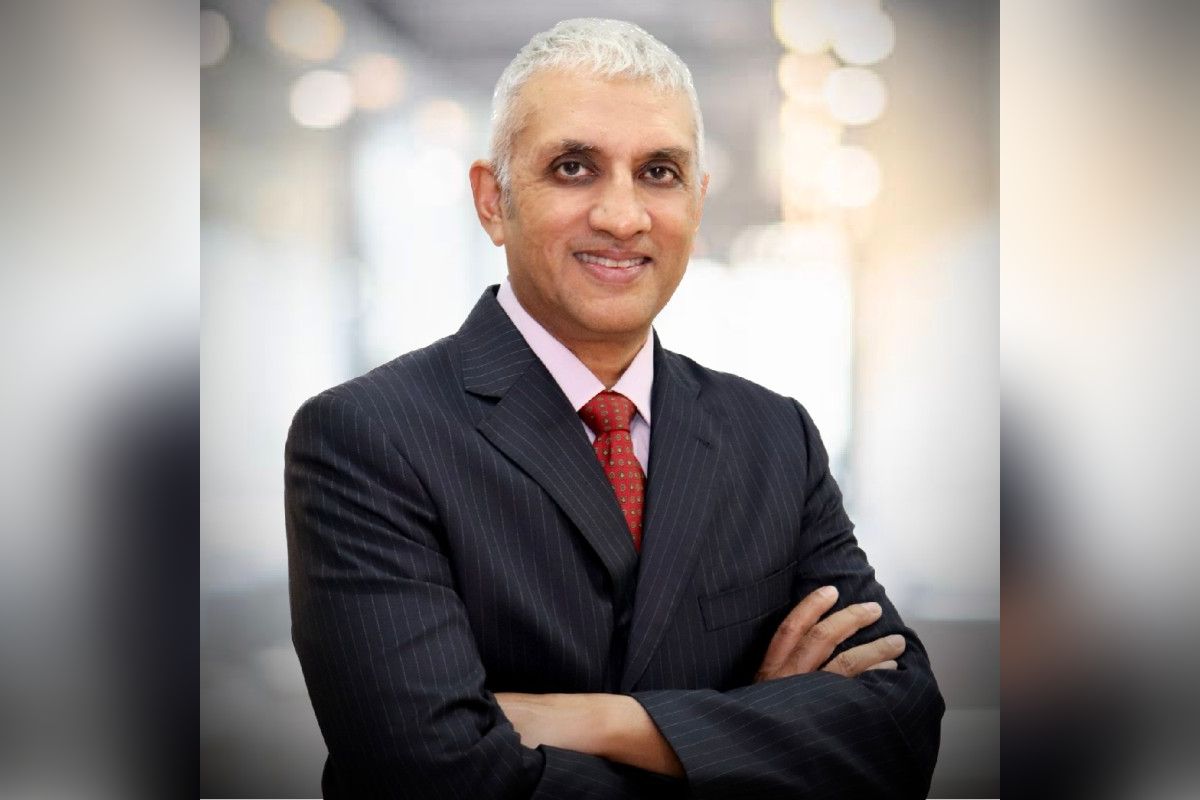
“Like many brands, we’ve faced increasing pressure in a rapidly changing retail landscape,” Chang wrote in the employee correspondence. “This partnership allows us to remain independent, and gives us the stability and resources to make a larger impact, without compromising on the quality and standards that make Everlane, Everlane.”
Chang, who assumed the role of CEO in 2024, emphasized that Everlane will continue to operate as an independent brand under its current management structure, maintaining its foundational sustainability commitments while utilizing Shein’s broader logistics resources to invest in product innovation.
Market analysts note the transaction occurs during a period of financial distress for the sustainable retailer. According to Neil Saunders, Managing Director of GlobalData Retail, Everlane has been hit by declining sales volumes and mounting debt, leaving the business in critical need of a well-capitalized parent organization to survive.
Conversely, the acquisition provides Shein with a strategic entry point into higher-end, eco-conscious apparel segments. The fast-fashion industry faces slowing growth alongside shifting trade policies, including heightened tariffs and import restrictions on low-cost textiles implemented by the Trump administration.
However, industry observers point out the cultural contradiction between the two companies. Saunders noted that while Shein is expected to leave Everlane’s core supply network intact, the corporate alignment with a fast-fashion volume model could alienate Everlane’s traditional customer base. “Ultimately, the deal likely saves Everlane,” Saunders stated. “But that salvation comes at a price.”