





The European Bank for Reconstruction and Development (EBRD) and the European Union have expanded their joint financial cooperation into Sub-Saharan Africa, aiming to unlock private-sector investment in high-risk climate mitigation measures and pioneering green technologies.
The two institutions agreed a €70 million extension to the European Fund for Sustainable Development Plus (EFSD+) High-Barrier (Hi-Bar) guarantee programme, marking the first time the EBRD and the European Commission have deployed EU-backed guarantees in the region. The project operates under the banner of the EU’s Global Gateway strategy, which serves as the bloc’s external investment framework for sustainable development.
Originally established in March 2024 with €168 million in EU guarantees, the Hi-Bar programme mitigates commercial risks to enable private-sector participation in strategically critical but higher-risk industries. The fresh funding will bring this established risk-sharing model to Sub-Saharan African markets to accelerate transition technologies that frequently struggle to secure traditional financing.
The expanded initiative will specifically target two core areas:
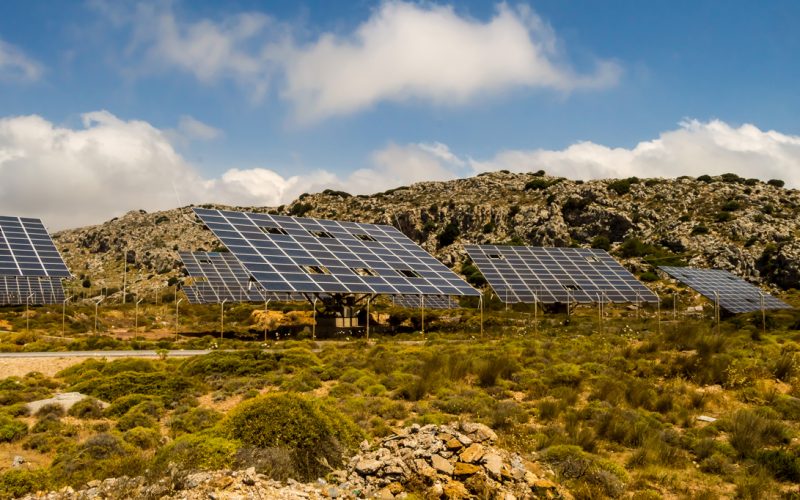
- Energy-sector investments dedicated to decarbonisation and systemic energy transformation.
- Energy-intensive industrial sectors requiring extensive modernisation to reduce carbon output, including critical raw materials and their associated value chains.
The framework is tailored to support both first-of-a-kind green investments and the scaling up of low-carbon business models that have not yet achieved critical mass in their respective markets.
Mark Bowman, EBRD Vice President for Policy and Partnerships, noted that supporting climate investments across energy and heavy industries is essential for building resilient, low-carbon economies. He added that the collaboration with the EU plays a critical role in addressing higher-risk projects and overcoming financing barriers.
EU Commissioner for International Partnerships, Jozef Síkela, stated that the transition to a low-carbon economy relies heavily on innovative industries. He emphasized that the partnership will support clean energy, sustainable industry, and critical raw materials across Sub-Saharan Africa, creating quality jobs and fostering more resilient local economies through the Global Gateway strategy.