











PepsiCo, Inc. has published its 2025 ESG Summary alongside updated leadership messages and performance metrics, detailing progress towards its 2030 pep+ (PepsiCo Positive) goals across climate action, agriculture, nutrition, and packaging.
Commenting on the updates, Ramon Laguarta, PepsiCo Chairman and Chief Executive Officer, stated that their sustainability agenda and portfolio transformation initiatives were fundamentally about strengthening PepsiCo for the long term. He added that through pep+, they were working to build a more resilient business that aimed to adapt to changing consumer preferences, supported their growth strategy, and created value for shareholders whilst striving to help support the resources and communities critical to their future.
Jim Andrew, PepsiCo Chief Sustainability Officer, noted that they were excited by the momentum being built as pep+ continued to transform the business end to end. He explained that significant progress was being made—from expanding regenerative, restorative, and protective practices to 4.7 million acres and reducing operational emissions, to evolving the product portfolio—in ways believed to strengthen the business over the long term.
Climate and Operations
Compared to its 2022 baseline, the company reported reductions in greenhouse gas emissions of 24 per cent for Scope 1 and 2, 12 per cent for Scope 3 Energy and Industry, and 18 per cent for Scope 3 Forest, Land, and Agriculture. PepsiCo also sourced 96 per cent of its global electricity needs for company-owned operations from renewable sources. Decarbonisation efforts included collaborating with fertilizer manufacturer Yara International across 1,000 farms in the EU and the UK to deploy low-carbon fertilizers for potato crops, as well as integrating 1,070 Ford E-Transit electric vans into its logistics fleet in Mexico.
Portfolio Reformulation
The company exceeded several of its 2025 nutrition targets:
Added Sugars: 68 per cent of its global beverage portfolio volume contained no more than 100 Calories from added sugars per 12 oz. serving, surpassing the 67 per cent target.
- Sodium: 79 per cent of convenient foods volume met sodium targets of no more than 1.3 milligrams per Calorie, beating the 75 per cent target, while 49 per cent met the more stringent 2030 category target.
- Saturated Fat: 79 per cent of convenient foods volume met saturated fat limits (not exceeding 1.1 grams per 100 Calories), surpassing the 75 per cent goal.
- Ingredients: The company delivered 79 billion portions of diverse ingredients, such as whole grains, plant-based proteins, fruits, and vegetables, towards its 2030 goal of 145 billion portions annually.
Agriculture, Water, and Packaging
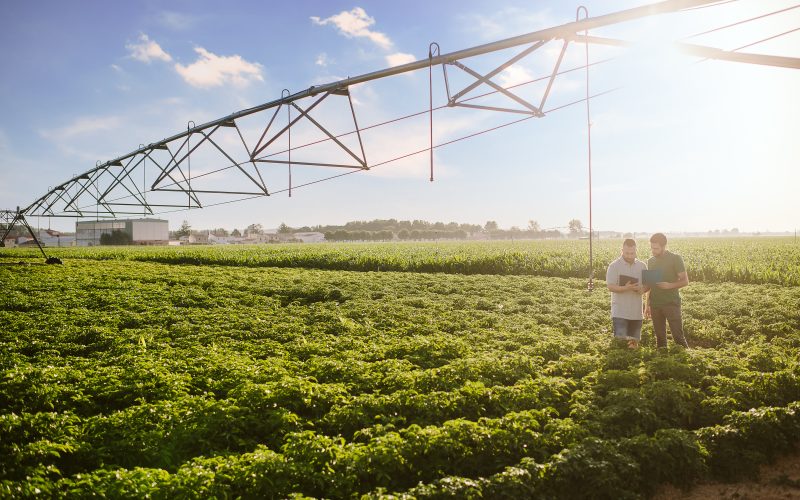
In agriculture, PepsiCo expanded regenerative, restorative, and protective practices to 4.7 million acres, supporting roughly 224,000 people across its agricultural supply chains since 2021. Reporting on its deforestation and conversion-free sourcing targets will follow at a later date as methodologies are finalized.
In packaging, the firm recorded 2.0 million metric tons of plastic use in key packaging markets for 2025, achieving a 6 per cent reduction in absolute virgin plastic tonnage from 2024 to 2025 and incorporating 18 per cent recycled plastic into primary packaging.
On water stewardship, the group achieved 100 per cent water replenishment at company-owned facilities located in high water-risk watersheds, adopting the Alliance for Water Stewardship Standard across these sites and supporting over 60 replenishment projects that restored approximately 35 billion litres of water.