






New European Union Packaging and Packaging Waste Regulation has come into force today (12 August,2026), establishing EU-wide limits on per- and polyfluoroalkyl substances (PFAS)—commonly known as “forever chemicals”—in food-contact packaging while setting targets to reduce overall waste across member states.
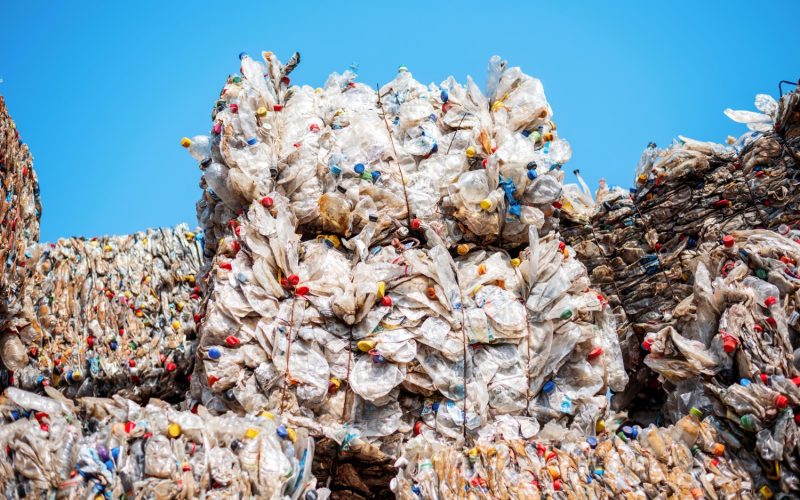
The legislation overhauls rules established in the 1990s to address a rise in packaging waste, which has increased by more than 20% over the last decade due to online retail and modern convenience consumption. Packaging currently accounts for approximately 40% of plastic consumption in Europe, exposing the region to economic vulnerabilities linked to fossil fuel supply disruptions. Data from Eurostat indicates that Europeans generate 180 kg of packaging waste per person annually, with 35.3 kg derived from fossil-fuel plastics, of which only 42% was recycled in 2023.
The initial provisions applying immediately set maximum permissible thresholds on PFAS, which are frequently used in takeaway containers, bakery paper, and cardboard boxes for grease and water resistance. PFAS do not naturally degrade and accumulate in the environment, with scientific research linking human exposure to various health conditions, including renal disease, immune dysfunction, and developmental issues. The new rules also require manufacturers to provide traceability data to enable authorities to verify packaging origin.
Further measures under the regulation will be phased in over coming years:
- 2028: Implementation of a standardized, EU-wide labelling system for domestic waste sorting.
- 2030: Application of primary waste reduction mandates, targeting a 5% cut in packaging waste by 2030 and a 15% reduction by 2040 compared with 2018 baselines.
Additional statutory provisions include mandatory recyclability criteria, minimum reuse targets, restrictions on specific single-use formats, limits on permissible empty space in shipping packages, and compulsory deposit-return schemes for plastic bottles and metal cans.
To ensure smooth operational compliance, member states have been advised to issue warnings rather than immediate financial penalties for non-compliant products, granting companies time to adjust supply chains. The European Commission plans to launch a public consultation later this year on harmonised packaging labels to assist consumers with waste separation.