








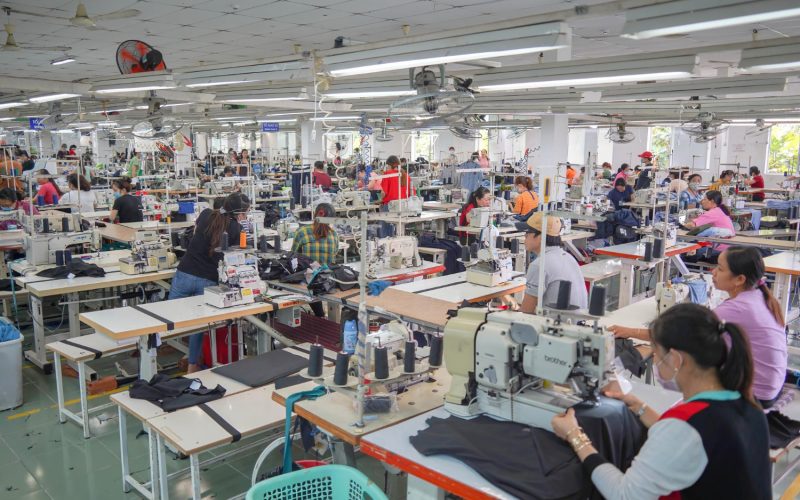
Turkish garment workers’ union Öz İplik İş has publicly criticized apparel manufacturer Eroğlu Giyim alongside major fashion brands—including H&M Group, Inditex, and PVH—for allegedly undermining union rights following the shifting of production operations from Turkey to Egypt.
According to the union, Eroğlu Giyim recently closed two manufacturing facilities in Turkey, terminating more than 3,000 jobs across its Aksaray and Çorlu operations as production shifted to Egypt’s Suez Canal Economic Zone and Ismailia. When workers at the supplier’s Avcılar factory in Istanbul attempted to initiate a strike on 30 April to protest the closures and push for collective bargaining, union representatives reported that dialogue was shut down and workers faced threats of dismissal for exercising their legal rights.
The supplier manufactures garments for major international fashion lines, including Zara, Calvin Klein, Tommy Hilfiger, and H&M. While Eroğlu Giyim promotes sustainable denim production on its corporate website, union leaders emphasized that corporate sustainability mandates must extend to labor rights during regional production shifts.
Öz İplik İş President Rafi Ay stated that companies relocating production to foreign markets must fulfill their constitutional and legal obligations toward existing workforces. The union noted that H&M, Inditex, and PVH are signatories to the Action, Collaboration, Transformation (ACT) agreement with IndustriALL Global Union, which explicitly commits brands to upholding freedom of association and collective bargaining across vendor supply chains.
An H&M spokesperson confirmed the retailer is in active dialogue with Öz İplik İş and supplier management to enforce its mandatory Sustainability Commitment regarding worker organizing rights. Inditex and PVH’s Tommy Hilfiger brand did not immediately respond to requests for comment.
The dispute highlights ongoing structural challenges across the Turkish apparel sector and aligns with broader findings regarding labor enforcement gaps in global fashion supply chains, where corporate human rights codes frequently clash with factory-level organizing restrictions.